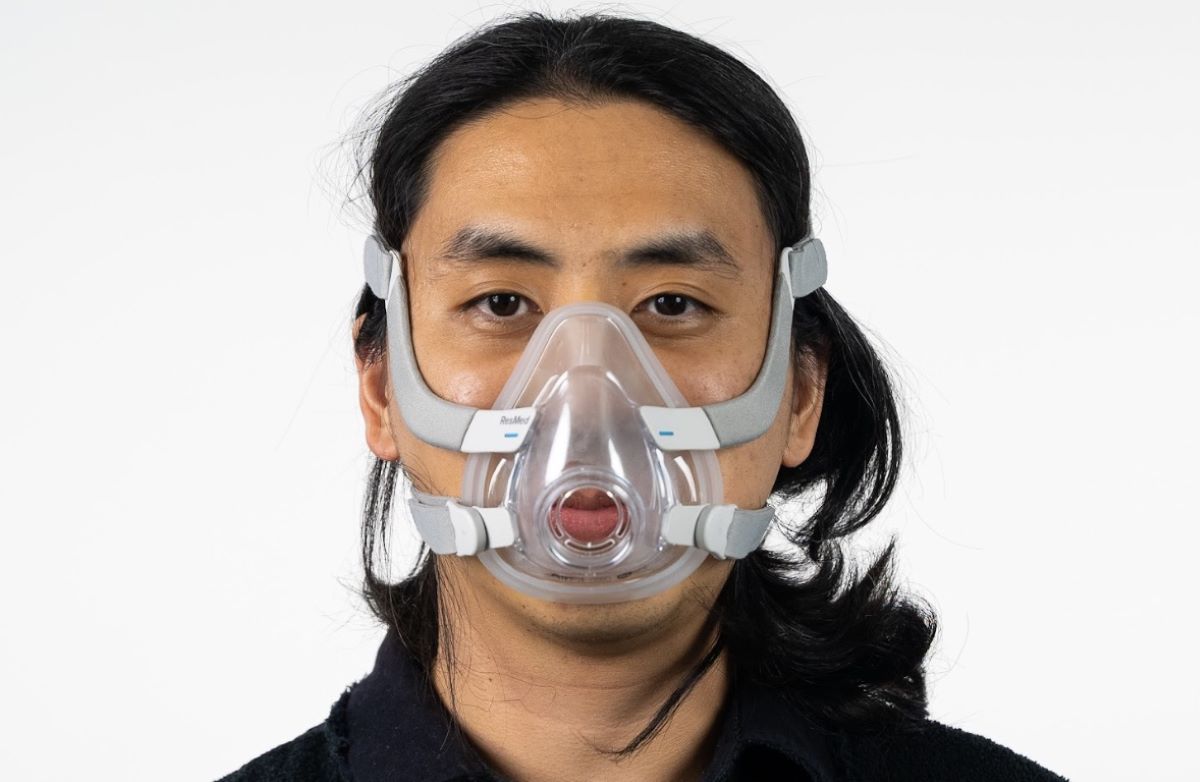
How Often Should You Replace a CPAP Mask and Why It Matters?
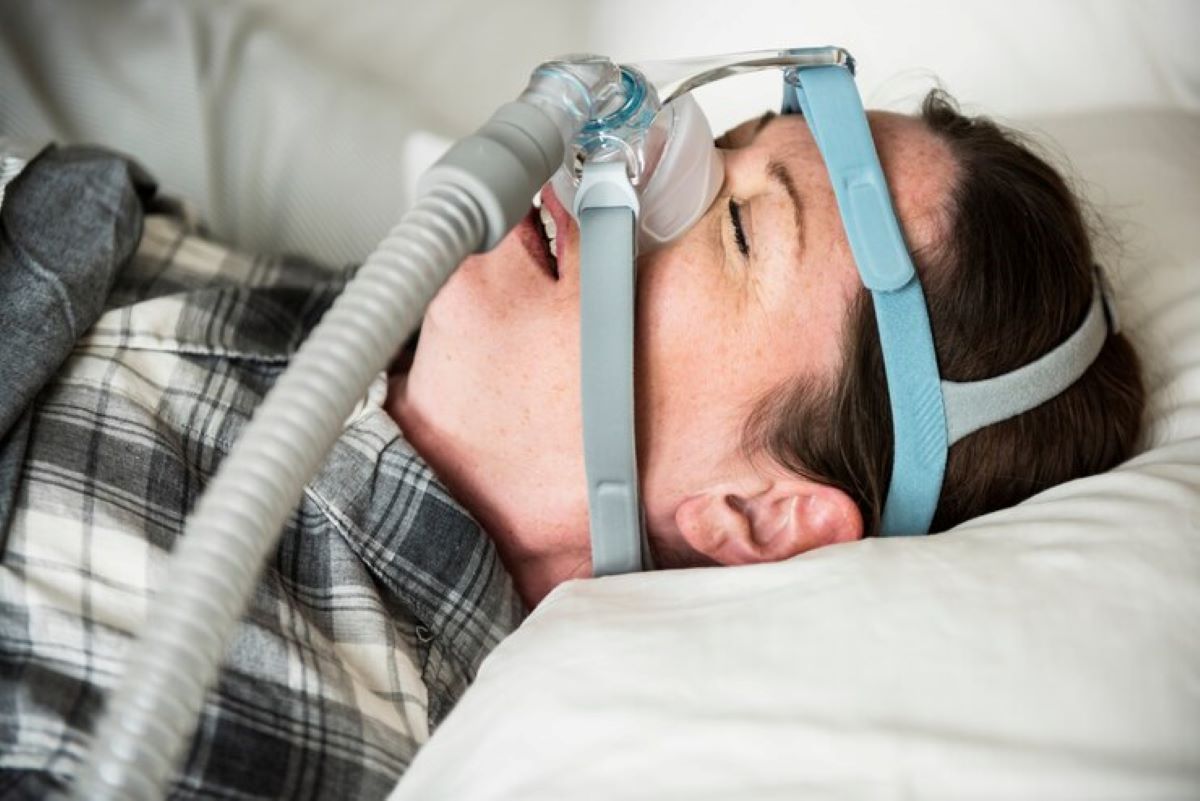
What is CPAP therapy and why is it important for obstructive sleep apnea (OSA) treatment? CPAP therapy delivers a continuous stream of pressurised air through a mask to keep airways open during sleep, preventing the breathing interruptions characteristic of obstructive sleep apnea. This treatment remains the gold standard for managing moderate to severe OSA, helping millions of patients achieve restorative sleep and avoid serious health complications. How does obstructive sleep apnea occur? Obstructive sleep apnea occurs when throat muscles relax excessively during sleep, causing the airway to collapse or become blocked. Without intervention, this condition leads to repeated breathing pauses throughout the night, often hundreds of times. These interruptions fragment sleep quality and deprive the body of adequate oxygen levels. The role of the CPAP mask The CPAP mask serves as the critical interface between the machine and the patient. It creates a seal around the nose, mouth, or both, depending on the mask style chosen. When properly fitted and functioning, the mask delivers the prescribed air pressure needed to maintain an open airway passage. How does CPAP therapy work? Here’s how CPAP therapy works: Why replacing your CPAP mask matters Understanding how often you should replace a CPAP mask and why it matters directly impacts treatment success. Worn or damaged masks compromise the seal integrity, reducing therapy effectiveness and potentially worsening OSA symptoms. What Are the Main Components of a CPAP Mask and How Do They Wear Out Over Time? A CPAP mask consists of four primary components that work together to deliver effective therapy. The mask cushion (or nasal pillows) creates the seal against your face, whilst the frame provides structural support to hold everything in position. The headgear (or chin strap) secures the mask to your head, and the tubing connects your mask to the CPAP machine. Each component faces unique challenges that affect its lifespan: Mask Cushion/Nasal Pillows These parts make direct contact with your skin throughout the night, absorbing facial oils, sweat, and dead skin cells. The silicone material gradually softens and loses its ability to maintain a proper seal. Microscopic cracks can develop in the material, creating pathways for bacteria whilst compromising air pressure delivery. Frame The rigid structure supporting your mask experiences constant pressure adjustments and handling during nightly use. Repeated stress causes the plastic or composite materials to bend slightly, losing their original shape and alignment. Headgear/Chin Strap Elastic straps stretch with every adjustment and washing cycle. The fabric absorbs oils from your skin and hair, whilst the elastic fibres break down from repeated tension and release. This headgear wear and tear directly impacts mask stability. Tubing Flexible tubing bends and twists nightly, developing microscopic tears or cracks that may remain invisible to the naked eye. Temperature fluctuations and exposure to moisture accelerate material degradation. How Often Should Each Part of a CPAP Mask Be Replaced for Optimal Performance? Each component of your CPAP mask has a specific CPAP mask replacement schedule that ensures consistent therapy delivery. Following industry-standard guidelines helps maintain the seal quality and pressure levels your treatment requires. Recommended Replacement Timeline by Component Mask cushion replacement frequency matters most for therapy effectiveness: The cushion requires the most frequent replacement because it maintains direct, constant contact with your facial skin throughout the night. Skin oils, facial creams, and natural moisture break down the silicone or gel material, causing it to soften and lose its ability to form an airtight seal. What Affects Component Lifespan? Your individual usage patterns significantly impact how long each part remains effective. Nightly users who wear their masks for 7-8 hours experience faster material degradation than those using CPAP therapy for shorter periods. Cleaning practices play an equally critical role—daily washing with mild soap removes oils that accelerate breakdown, whilst harsh chemicals or hot water can damage materials prematurely. The environment where you store your equipment also matters; exposure to direct sunlight or extreme temperatures can weaken elastic fibres and silicone components faster than storage in cool, dry locations. Why Does Timely Replacement of CPAP Mask Parts Matter for Therapy Effectiveness? Worn CPAP mask components directly undermine your prescribed therapy by creating air leaks that reduce the pressure delivered to your airway. When cushions soften or frames lose their shape, gaps form between the mask and your face, allowing pressurised air to escape rather than keeping your airway open throughout the night. CPAP leaks impact on therapy pressure loss in measurable ways. Your machine compensates for minor leaks by increasing output, but significant leaks prevent it from maintaining the prescribed pressure level. This means your airway may collapse during sleep despite wearing the mask, defeating the entire purpose of treatment. The consequences of untreated leaks extend beyond a single restless night: The importance of knowing how often you should replace a CPAP mask becomes clear when considering therapy data. Studies show that masks with leaks exceeding 24 litres per minute significantly reduce treatment efficacy, yet many users continue with deteriorated equipment unaware their therapy has become compromised. How Does Regular Replacement of CPAP Mask Components Affect User Comfort and Skin Health? Worn cushions create pressure points and uneven contact against facial skin, forcing users to overtighten their headgear to maintain a seal. This excessive tightening leads to red marks, facial soreness, and disrupted sleep as discomfort wakes users throughout the night. Degraded silicone cushions lose their soft, pliable texture and become stiff or tacky. The hardened material rubs against sensitive facial areas, causing skin irritation from masks including chafing, redness, and even pressure sores in severe cases. Users with sensitive skin or existing dermatological conditions experience heightened reactions to deteriorated cushion materials. Stretched headgear straps compound these CPAP mask comfort issues by failing to distribute pressure evenly across the head and face. The elastic fibres lose their ability to maintain consistent tension, requiring constant readjustment during the night. Users find themselves waking repeatedly to retighten straps, defeating the purpose of restorative sleep therapy. Bacterial accumulation in worn cushions poses additional skin health risks beyond visible … Read more