Why Choose an Oxygen Concentrator Portable Enough for Daily Errands?

oxygen concentrator portable

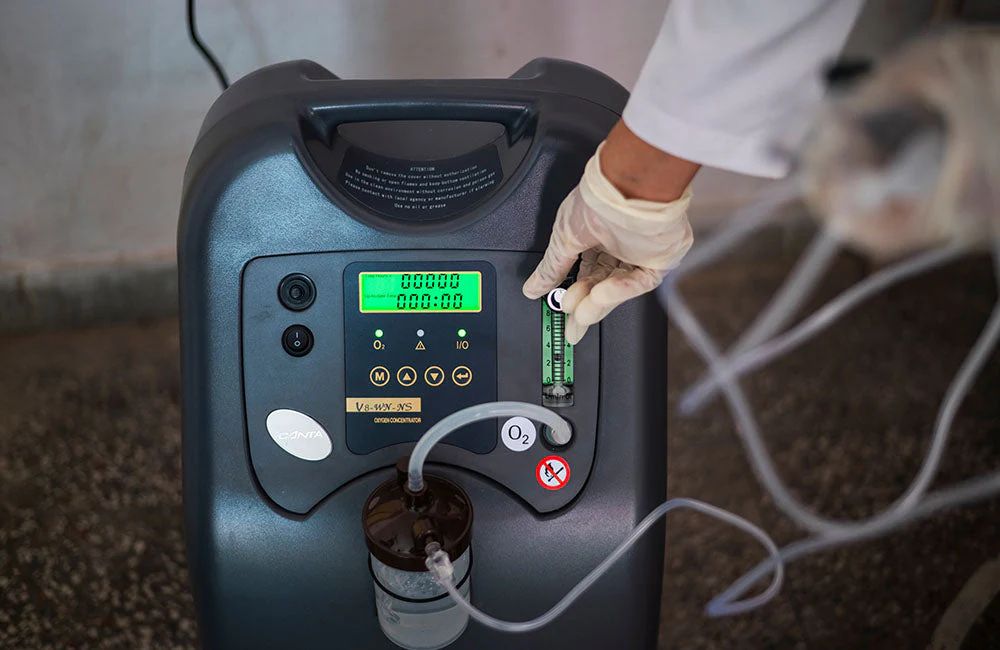
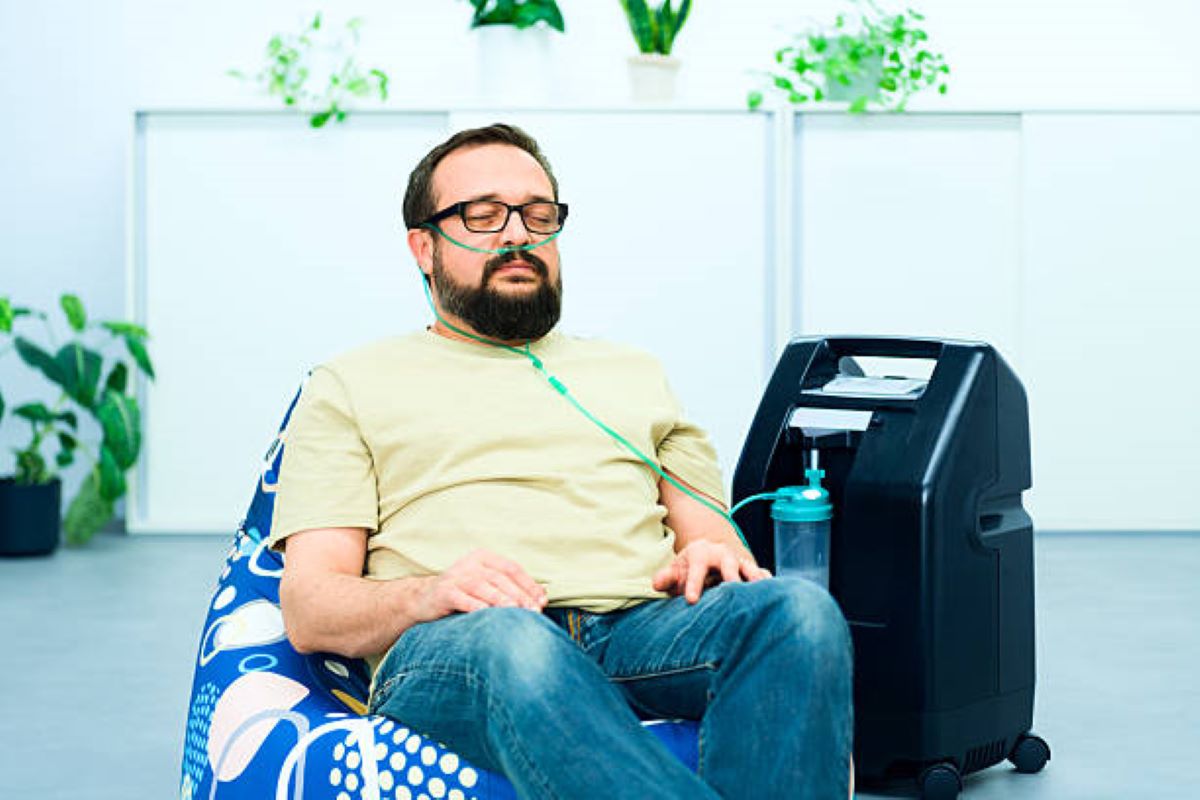
For many Australians using oxygen therapy, the biggest hurdle is not the equipment itself. It is how that equipment fits into everyday life, from popping to Coles to meeting friends for coffee. Choosing an oxygen concentrator portable enough for errands can help them keep moving, keep plans, and feel more like themselves. Why does portability matter for everyday life in Australia? Portability matters because errands rarely happen in a straight line. A quick trip in Brisbane can turn into a long queue, a detour, and a stop at the chemist. An oxygen concentrator portable enough for these moments helps them stay supported without planning the entire day around a power point, a heavy trolley, or a rushed return home. What counts as “daily errands” when someone uses oxygen? Daily errands include shopping centres, local markets, GP appointments, picking up scripts, and short visits with family. In Australia, it can also mean walking from a hot car park to an air-conditioned mall, or navigating a train station with lifts out of service. With an oxygen concentrator portable for these routines, they can focus on the task, not the logistics. How can an oxygen concentrator portable model support independence? Independence often comes down to whether they can leave the house without assistance. If their setup is light enough and simple enough, they can manage it alone more often. An oxygen concentrator portable option can reduce reliance on carers for short outings, which may protect dignity and confidence, especially when errands are frequent. What practical features should they look for first? They should start with the basics: weight, battery runtime, charging options, and ease of carrying. Controls should be clear, and filters should be straightforward to maintain. If an oxygen concentrator portable unit is hard to lift, confusing to operate, or awkward to charge, it can become a barrier instead of a tool. How important is battery life for errands across Australian cities and regions? Battery life matters because errands do not always go to plan. In Sydney or Melbourne, traffic and public transport delays can extend a “short” trip. In regional areas, distances between stops can be longer. They should look for an oxygen concentrator portable setup that realistically covers their typical time away from home, plus a buffer. Do size and weight make a real difference in shopping centres? Yes, because shopping centres involve sustained walking, escalators, lifts, and narrow aisles. Even a small difference in weight can feel significant after 30 minutes. An oxygen concentrator portable device that sits comfortably on the shoulder or in a well-designed carry bag can help them move naturally and reduce strain. How does portability affect travel by car in Australia? Car travel is common for errands, but portability still matters. They may need to carry the device from the house to the car, then from parking to the destination, often in heat. An oxygen concentrator portable unit that is quick to stow, easy to carry, and stable on a seat or floor can make car-based errands feel simpler and safer. What about public transport, rideshares, and taxis? Public transport adds unpredictability: platform changes, stairs, and crowded carriages. Rideshares and taxis can involve quick entry and exit, plus limited boot space. A truly oxygen concentrator portable choice is one they can keep close, carry securely, and manage without drawing unwanted attention or needing extra handling time. Can they use a portable concentrator at cafes, appointments, and community venues? In most everyday settings, yes, as long as they follow their clinician’s guidance and the device is used safely. Many people want to sit down, order a coffee, and chat without feeling conspicuous. An oxygen concentrator portable model that runs quietly and fits beside a chair can help them feel comfortable in everyday Australian venues. How do noise and discretion influence confidence in public? Noise can affect confidence because it can feel like everyone is listening. Discretion is not about hiding health needs, but about reducing self-consciousness during normal activities. They may prefer an oxygen concentrator portable device known for quieter operation, especially for meetings, waiting rooms, and quiet cafes. Why do comfort and carrying options matter more than people expect? Carrying comfort matters because errands involve constant small movements. A strap that digs in, a bag that swings, or a poorly balanced design can become exhausting. When an oxygen concentrator portable unit is comfortable to wear or carry, it is more likely they will actually use it for the short trips that keep life feeling normal. How should they think about flow settings and clinical fit? Clinical fit should always come first, because portability is only helpful if the therapy matches their prescription. Their clinician will advise whether a device’s output and delivery style suit their needs. They should treat oxygen concentrator portable convenience as the second step, after clinical requirements are confirmed and reviewed. What safety and maintenance points should they keep in mind while out? They should avoid blocking vents, keep the unit stable, and protect it from extreme heat, which is common in Australian summers. They should also keep batteries charged and carry essentials like a spare cannula if advised. A well-maintained oxygen concentrator portable device tends to perform more reliably during errands and reduces stress when they are away from home. See Also : Home Oxygen Service – Children How does the Australian climate affect portable oxygen use? Heat, humidity, and sudden weather changes can influence comfort and planning. Hot days in Perth or Adelaide can make walking from the car park to the shops more demanding, even with oxygen support. An oxygen concentrator portable setup can help them pace themselves, take breaks, and still complete errands without pushing too hard. What questions should they ask suppliers or providers in Australia? They should ask about warranty, servicing locations, battery replacement costs, and availability of accessories. They should also ask for a hands-on demonstration, because comfort and usability are hard to judge online. If they are comparing an oxygen concentrator portable option, … Read more

Is the Aerobika Worth It? 2026 Cost-Benefit Review Australia

Aerobika Device

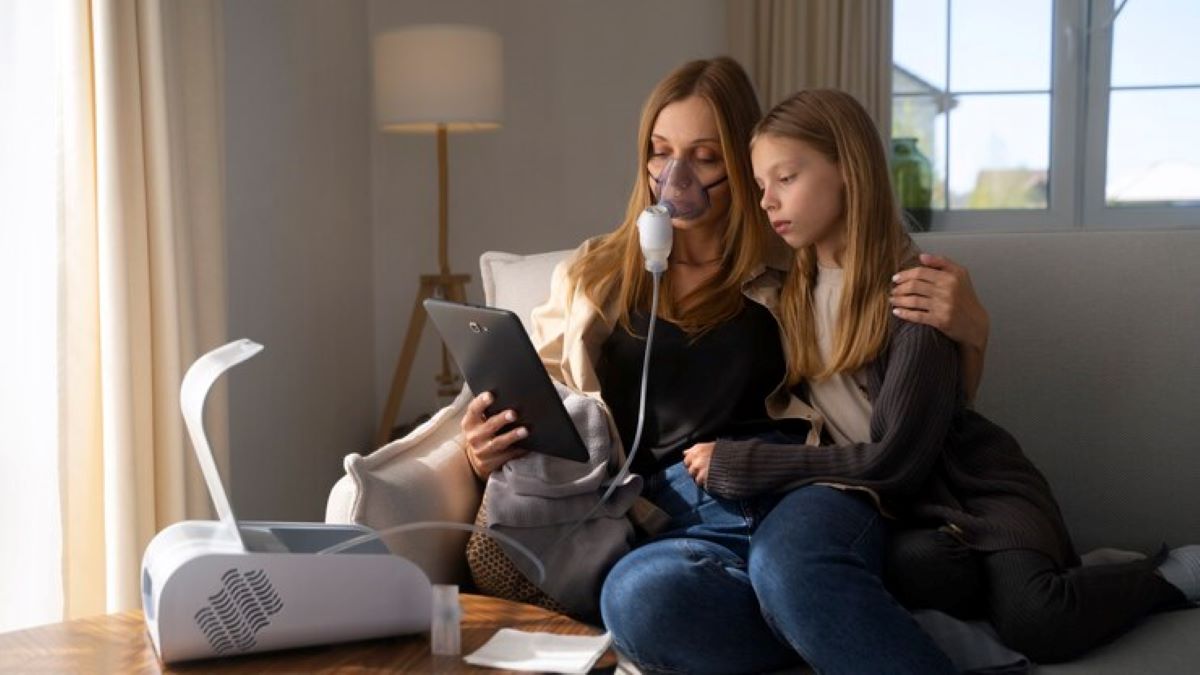
Is the Aerobika Worth It? A 2026 Cost-Benefit Review for Chronic Respiratory Care Managing chronic respiratory conditions like COPD, bronchiectasis, or cystic fibrosis in Australia has become increasingly expensive. As we move through 2026, patients are scrutinising every medical expense to ensure it provides tangible clinical value. One device that consistently tops the “must-buy” list recommended by physiotherapists is the Aerobika Oscillating Positive Expiratory Pressure (OPEP) device. But at a retail price often exceeding $175 AUD, many patients wonder: Is the Aerobika worth it? This review breaks down the financial and clinical Return on Investment (ROI) of the Aerobika device. We compare the one-time cost of the unit against the staggering expenses of Australian hospital readmissions, emergency department (ED) visits, and escalating medication costs. See more: How Often Should You Replace a CPAP Mask and Why It Matters? What is the Aerobika OPEP Device? The Aerobika is a handheld, drug-free medical device designed to assist with airway clearance. It utilizes Oscillating Positive Expiratory Pressure (OPEP) technology. When you exhale into the device, it creates a series of pressure pulses and vibrations within the lungs. How the Technology Works The Economics of Respiratory Care in Australia (2026) To determine if the Aerobika is “worth it,” we must look at the alternative: the cost of a “flare-up” or exacerbation. In Australia, the economic burden of Chronic Obstructive Pulmonary Disease (COPD) is estimated at over $24.98 billion annually. For an individual patient, a single moderate-to-severe exacerbation can lead to: Comparison Table: Aerobika vs. Exacerbation Costs Expense Type Aerobika OPEP (One-Time) Hospitalisation (Single Event) Direct Cost $149 – $179 AUD $3,800+ (Government/System Cost) Out-of-Pocket $179 (Once-off) $250+ (Gap fees, Transport, Meds) Time Loss 10 mins / 2x daily 3–7 days hospital stay Longevity 6–12 months 0 (Cost recurs every flare-up) Clinical Benefits: Beyond the Price Tag The “value” of the Aerobika isn’t just in the money saved—it’s in the quality of life gained. Clinical studies updated for 2026 indicate that consistent OPEP therapy provides several key outcomes: 1. Reduced Hospital Readmissions Data shows that COPD patients using an Aerobika device post-discharge can see up to a 25% reduction in 30-day hospital readmissions. By keeping the lungs clear of mucus, the “breeding ground” for bacteria is removed, preventing secondary infections. 2. Improved Lung Function and Exercise Tolerance By clearing the “dead space” in the lungs occupied by trapped air and mucus, patients report improved breathlessness (dyspnea) scores. This allows for better participation in pulmonary rehabilitation and daily activities. 3. Synergistic Effect with Nebulisers The Aerobika is compatible with small-volume nebulisers. This allows patients to perform airway clearance and medication delivery simultaneously, saving time and increasing the penetration of the medication into the lower airways. Is it Covered by Medicare or Private Health? In Australia, the Aerobika is classified as a Class I medical device. Best Practices for Maximising Your Investment To ensure the Aerobika is “worth it” over the long term, you must maintain the device properly. Common Mistakes to Avoid FAQ: Is the Aerobika Worth It? 1. Can I use the Aerobika for asthma? While primarily designed for mucus-producing conditions like COPD and bronchiectasis, some asthma patients with “mucus plugging” find it helpful. Consult your specialist first. 2. How long does an Aerobika device last? With proper cleaning, the device is effective for approximately 6 to 12 months of daily use. 3. Is the Aerobika better than the AirPhysio? Both are OPEP devices. The Aerobika is often preferred in clinical settings because it is not position-dependent (it works while lying down) and can be used with a nebuliser. 4. Why is the Aerobika so expensive for a piece of plastic? The cost reflects the medical-grade engineering required to produce specific oscillating frequencies and the clinical trials required to prove it reduces hospitalisations. 5. Can I get the Aerobika on the PBS? No, the Pharmaceutical Benefits Scheme (PBS) covers medications. The Aerobika is a device and is typically an out-of-pocket expense or covered via private health Extras. Conclusion: The Verdict for 2026 When evaluating if the Aerobika is worth it, the numbers speak for themselves. An upfront cost of $179 AUD is a fraction of the cost of a single respiratory crisis. If the device prevents even one GP visit or one course of emergency antibiotics, it has nearly paid for itself. If it prevents a hospitalisation, the ROI is over 2,000%. For Australians living with chronic mucus hypersecretion, the Aerobika remains one of the most cost-effective, evidence-based tools available in 2026. Internal Linking Suggestions: Authoritative External References:

How Sleep Apnea Affects Your Heart Health and Blood Pressure

Sleep Apnea

Why Understanding Sleep Apnea Matters If you’ve ever woken up feeling exhausted, even after a full night’s sleep, or your partner complains about your loud snoring, sleep apnea could be the hidden culprit. But what many people don’t realize is that this sleep disorder doesn’t just affect your rest — it can also put your heart health and blood pressure at serious risk. Sleep apnea, especially obstructive sleep apnea (OSA), interrupts your breathing multiple times throughout the night. Each pause deprives your body of oxygen, triggering a chain reaction that can damage your heart, increase your blood pressure, and lead to chronic cardiovascular disease if untreated. Let’s explore how sleep apnea affects your heart, why it raises blood pressure, and what treatments can help you breathe — and live — better. Understanding Sleep Apnea and Its Types Sleep apnea is a sleep disorder that causes your breathing to stop and start repeatedly while you sleep. The three main types include: No matter the type, the effect is the same — your body is deprived of oxygen, forcing your cardiovascular system to work overtime. How Sleep Apnea Impacts the Heart 1. Oxygen Deprivation Puts Stress on the Heart When your breathing pauses during sleep, your oxygen levels drop sharply. Your brain senses the lack of oxygen and sends an emergency signal to wake you up briefly so you can breathe again. This constant “stop-start” breathing pattern stresses your heart by causing sudden changes in blood oxygen levels and heart rate. Over time, this strain can contribute to heart disease, arrhythmias, and heart failure. 2. Increases Sympathetic Nervous System Activity Sleep apnea activates your sympathetic nervous system — the body’s “fight or flight” response. Normally, this system slows down at night, allowing your body to rest. But with sleep apnea, it stays active, keeping your heart rate high and your blood pressure elevated even while you’re asleep. This constant activation increases your risk of hypertension (high blood pressure) and long-term cardiac fatigue. 3. Raises Risk of Irregular Heart Rhythms People with sleep apnea are more likely to experience atrial fibrillation (AFib) — an irregular, often rapid heart rhythm that can cause blood clots, stroke, and heart failure. The repeated oxygen dips and surges can irritate the heart’s electrical system, disrupting its normal rhythm. 4. Leads to Inflammation and Artery Damage Chronic oxygen deprivation from sleep apnea triggers inflammation and the release of harmful stress hormones. These changes can damage the lining of blood vessels, making arteries less flexible and promoting plaque buildup. This process contributes to atherosclerosis, increasing the risk of heart attack and stroke. Sleep Apnea and High Blood Pressure: The Dangerous Connection The Nighttime Spike Effect One of the most direct consequences of sleep apnea is elevated blood pressure. Every time your breathing stops, oxygen levels fall, and your body releases stress hormones like adrenaline. These hormones constrict blood vessels, forcing your blood pressure to rise. Even after you wake up, your body may remain in this “high alert” mode, keeping your blood pressure elevated throughout the day. Morning Hypertension People with untreated sleep apnea often wake up with morning headaches and high blood pressure. Over time, this can progress to resistant hypertension — a type of blood pressure that remains high even with medication. The Vicious Cycle Sleep apnea and hypertension feed off each other. High blood pressure can worsen sleep apnea by narrowing blood vessels in the airway, while untreated sleep apnea keeps your blood pressure high. Breaking this cycle requires addressing both conditions simultaneously. Who Is Most at Risk? Certain factors increase your risk of developing sleep apnea and its cardiovascular effects: Treatment Options: Protecting Your Heart Through Better Sleep The good news? Treating sleep apnea not only improves your sleep — it can dramatically improve your heart health and lower blood pressure. 1. CPAP Therapy Continuous Positive Airway Pressure (CPAP) therapy remains the gold standard for treating obstructive sleep apnea. The device keeps your airway open by delivering a steady stream of air through a mask. Studies show CPAP use can reduce blood pressure and lower the risk of heart disease and stroke. 2. Weight Loss and Exercise Even modest weight loss can decrease the severity of sleep apnea and reduce strain on the heart. Regular physical activity helps regulate blood pressure, boost oxygen circulation, and improve overall sleep quality. 3. Oral Appliances Custom-made dental devices reposition the lower jaw and tongue to keep the airway open — effective for mild to moderate cases. 4. Lifestyle Modifications 5. Surgery For patients with structural blockages (such as enlarged tonsils or deviated septum), surgery may be necessary to restore proper airflow. Long-Term Benefits of Treating Sleep Apnea Treating sleep apnea can have a transformative effect on your cardiovascular health. Benefits include: Most importantly, consistent treatment helps prevent silent heart damage that can develop over time from chronic oxygen deprivation. Conclusion: Sleep Better, Protect Your Heart Sleep apnea doesn’t just steal your rest — it silently strains your heart and elevates your blood pressure every night. The connection between sleep health and heart health is undeniable. If you’re constantly tired after sleeping, snore loudly, or have been diagnosed with hypertension that’s hard to control, it’s time to talk to a sleep specialist.With proper diagnosis, treatment, and lifestyle changes, you can protect your heart, lower your blood pressure, and reclaim the restful sleep your body deserves. FAQS

How Often Should You Replace a CPAP Mask and Why It Matters?

Aerobika Device

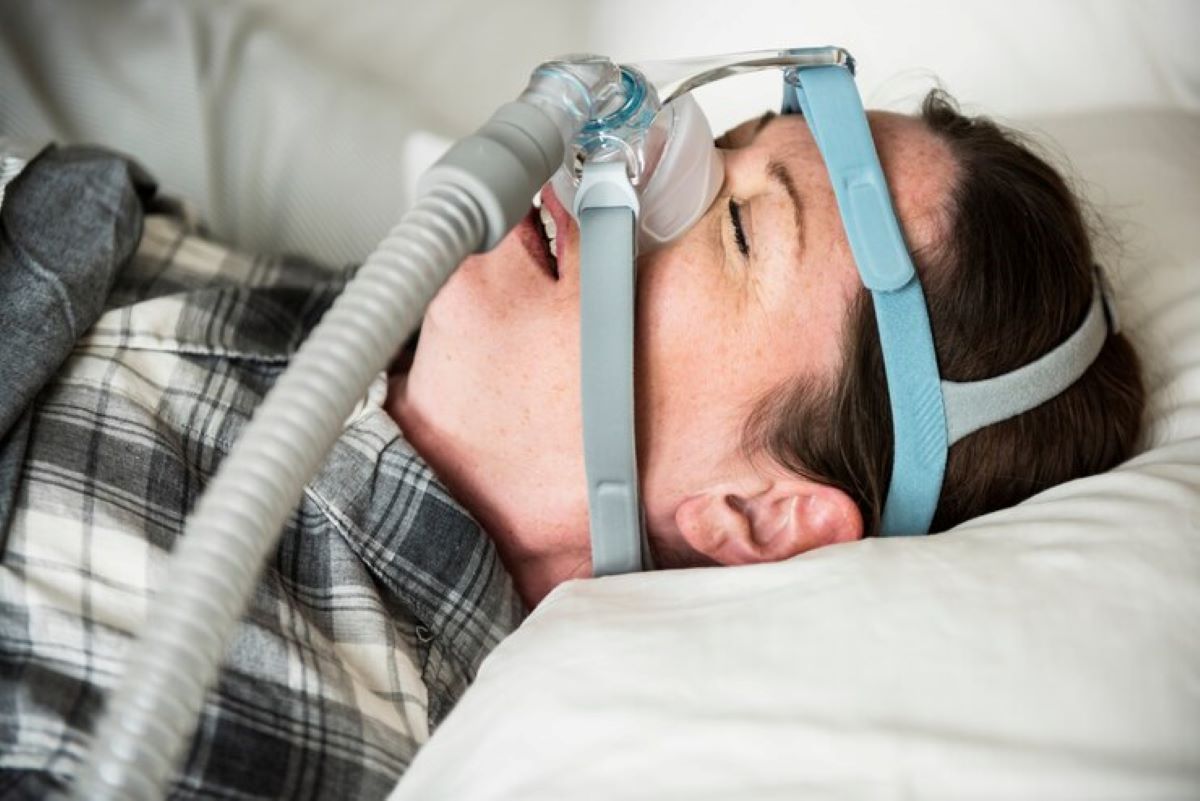
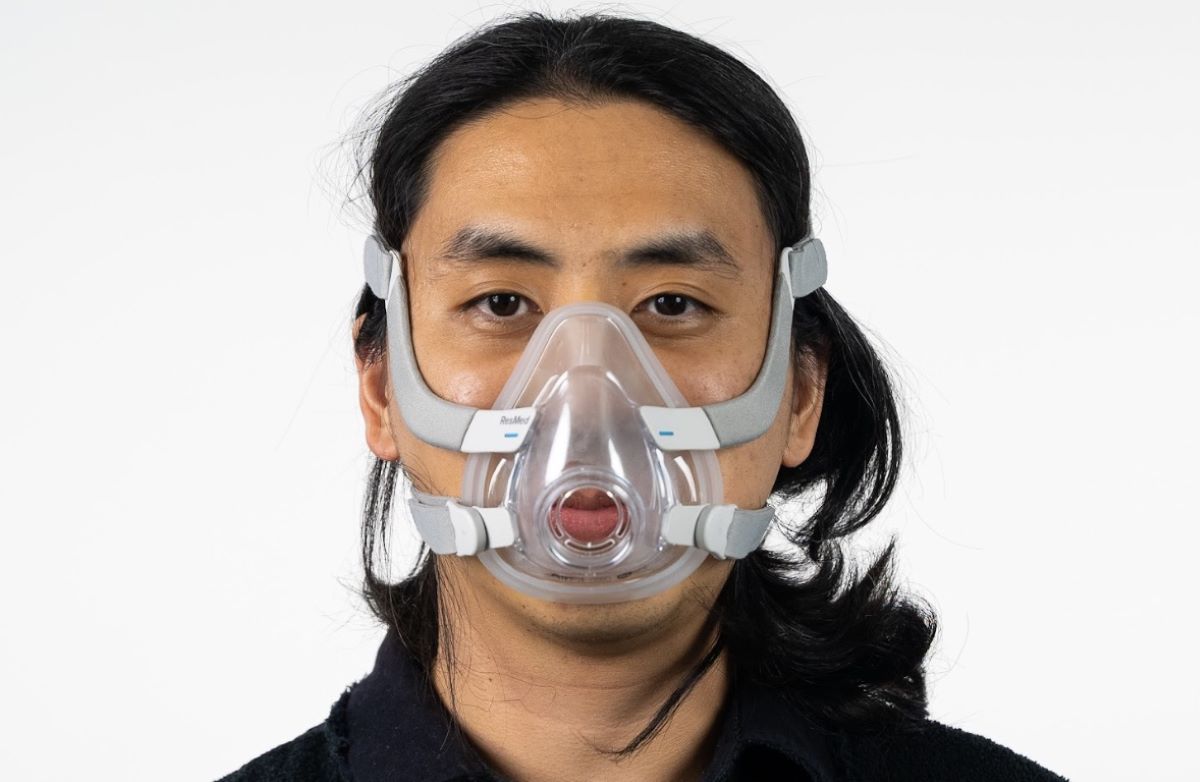
What is CPAP therapy and why is it important for obstructive sleep apnea (OSA) treatment? CPAP therapy delivers a continuous stream of pressurised air through a mask to keep airways open during sleep, preventing the breathing interruptions characteristic of obstructive sleep apnea. This treatment remains the gold standard for managing moderate to severe OSA, helping millions of patients achieve restorative sleep and avoid serious health complications. How does obstructive sleep apnea occur? Obstructive sleep apnea occurs when throat muscles relax excessively during sleep, causing the airway to collapse or become blocked. Without intervention, this condition leads to repeated breathing pauses throughout the night, often hundreds of times. These interruptions fragment sleep quality and deprive the body of adequate oxygen levels. The role of the CPAP mask The CPAP mask serves as the critical interface between the machine and the patient. It creates a seal around the nose, mouth, or both, depending on the mask style chosen. When properly fitted and functioning, the mask delivers the prescribed air pressure needed to maintain an open airway passage. How does CPAP therapy work? Here’s how CPAP therapy works: Why replacing your CPAP mask matters Understanding how often you should replace a CPAP mask and why it matters directly impacts treatment success. Worn or damaged masks compromise the seal integrity, reducing therapy effectiveness and potentially worsening OSA symptoms. What Are the Main Components of a CPAP Mask and How Do They Wear Out Over Time? A CPAP mask consists of four primary components that work together to deliver effective therapy. The mask cushion (or nasal pillows) creates the seal against your face, whilst the frame provides structural support to hold everything in position. The headgear (or chin strap) secures the mask to your head, and the tubing connects your mask to the CPAP machine. Each component faces unique challenges that affect its lifespan: Mask Cushion/Nasal Pillows These parts make direct contact with your skin throughout the night, absorbing facial oils, sweat, and dead skin cells. The silicone material gradually softens and loses its ability to maintain a proper seal. Microscopic cracks can develop in the material, creating pathways for bacteria whilst compromising air pressure delivery. Frame The rigid structure supporting your mask experiences constant pressure adjustments and handling during nightly use. Repeated stress causes the plastic or composite materials to bend slightly, losing their original shape and alignment. Headgear/Chin Strap Elastic straps stretch with every adjustment and washing cycle. The fabric absorbs oils from your skin and hair, whilst the elastic fibres break down from repeated tension and release. This headgear wear and tear directly impacts mask stability. Tubing Flexible tubing bends and twists nightly, developing microscopic tears or cracks that may remain invisible to the naked eye. Temperature fluctuations and exposure to moisture accelerate material degradation. How Often Should Each Part of a CPAP Mask Be Replaced for Optimal Performance? Each component of your CPAP mask has a specific CPAP mask replacement schedule that ensures consistent therapy delivery. Following industry-standard guidelines helps maintain the seal quality and pressure levels your treatment requires. Recommended Replacement Timeline by Component Mask cushion replacement frequency matters most for therapy effectiveness: The cushion requires the most frequent replacement because it maintains direct, constant contact with your facial skin throughout the night. Skin oils, facial creams, and natural moisture break down the silicone or gel material, causing it to soften and lose its ability to form an airtight seal. What Affects Component Lifespan? Your individual usage patterns significantly impact how long each part remains effective. Nightly users who wear their masks for 7-8 hours experience faster material degradation than those using CPAP therapy for shorter periods. Cleaning practices play an equally critical role—daily washing with mild soap removes oils that accelerate breakdown, whilst harsh chemicals or hot water can damage materials prematurely. The environment where you store your equipment also matters; exposure to direct sunlight or extreme temperatures can weaken elastic fibres and silicone components faster than storage in cool, dry locations. Why Does Timely Replacement of CPAP Mask Parts Matter for Therapy Effectiveness? Worn CPAP mask components directly undermine your prescribed therapy by creating air leaks that reduce the pressure delivered to your airway. When cushions soften or frames lose their shape, gaps form between the mask and your face, allowing pressurised air to escape rather than keeping your airway open throughout the night. CPAP leaks impact on therapy pressure loss in measurable ways. Your machine compensates for minor leaks by increasing output, but significant leaks prevent it from maintaining the prescribed pressure level. This means your airway may collapse during sleep despite wearing the mask, defeating the entire purpose of treatment. The consequences of untreated leaks extend beyond a single restless night: The importance of knowing how often you should replace a CPAP mask becomes clear when considering therapy data. Studies show that masks with leaks exceeding 24 litres per minute significantly reduce treatment efficacy, yet many users continue with deteriorated equipment unaware their therapy has become compromised. How Does Regular Replacement of CPAP Mask Components Affect User Comfort and Skin Health? Worn cushions create pressure points and uneven contact against facial skin, forcing users to overtighten their headgear to maintain a seal. This excessive tightening leads to red marks, facial soreness, and disrupted sleep as discomfort wakes users throughout the night. Degraded silicone cushions lose their soft, pliable texture and become stiff or tacky. The hardened material rubs against sensitive facial areas, causing skin irritation from masks including chafing, redness, and even pressure sores in severe cases. Users with sensitive skin or existing dermatological conditions experience heightened reactions to deteriorated cushion materials. Stretched headgear straps compound these CPAP mask comfort issues by failing to distribute pressure evenly across the head and face. The elastic fibres lose their ability to maintain consistent tension, requiring constant readjustment during the night. Users find themselves waking repeatedly to retighten straps, defeating the purpose of restorative sleep therapy. Bacterial accumulation in worn cushions poses additional skin health risks beyond visible … Read more

What Is the Best CPAP Mask for Side Sleepers?

Best CPAP Mask

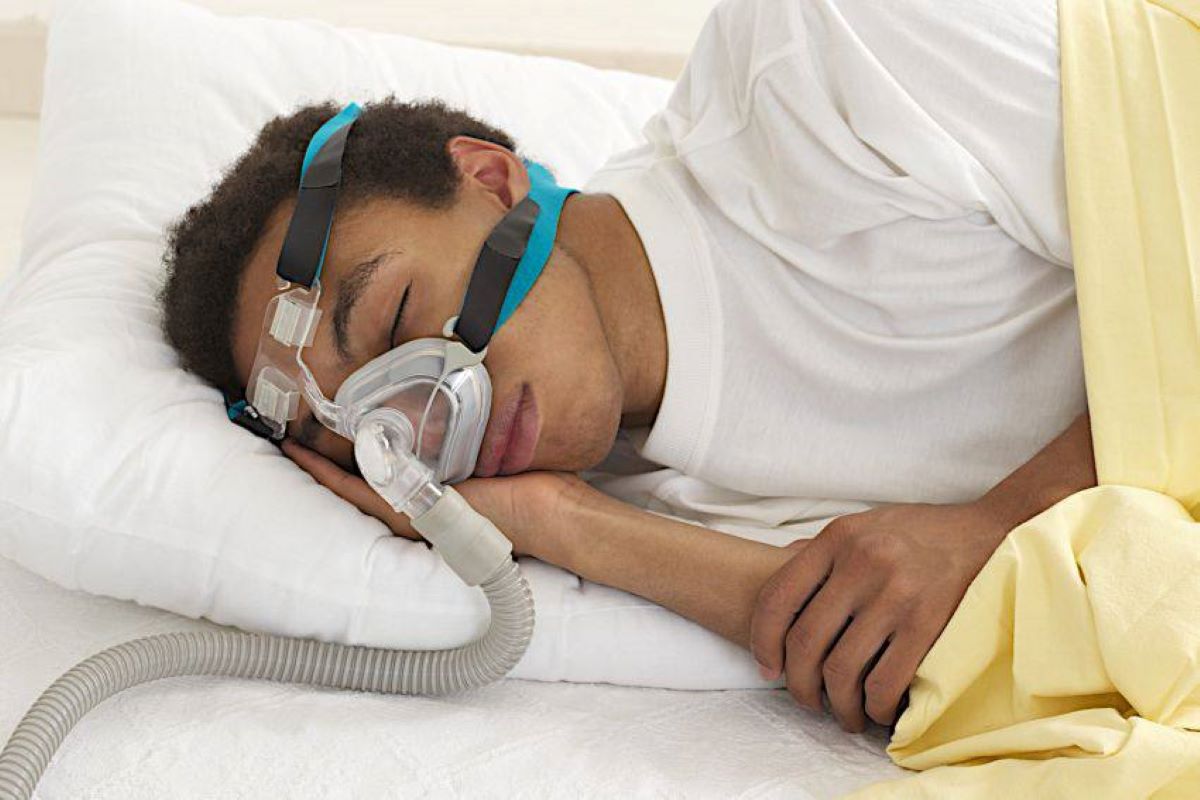
What Is CPAP Therapy for Sleep Apnea and How Does It Work? CPAP therapy is a medical treatment that uses a machine to deliver pressurised air through a mask, preventing the airway from collapsing during sleep. Sleep apnea occurs when throat muscles relax excessively, blocking the airway and causing breathing to stop repeatedly throughout the night. These breathing interruptions fragment sleep and reduce oxygen levels in the blood. People with untreated sleep apnea often experience: The CPAP machine generates a steady stream of pressurised air that flows through a tube connected to a mask worn over the nose, mouth, or both. This continuous positive airway pressure acts as a pneumatic splint, keeping the upper airway open during sleep. The prescribed pressure level is calibrated specifically for each patient based on sleep study results. When used consistently, CPAP therapy eliminates breathing pauses and restores normal sleep patterns. The treatment proves particularly effective for obstructive sleep apnea, the most common form of the condition. Choosing the Best CPAP Mask is essential for ensuring comfort, maintaining a secure seal, and achieving effective therapy—especially for side sleepers, who often face unique challenges with mask fit and air leakage. What Are the Unique Challenges Faced by Side Sleepers Using CPAP Masks? Side sleepers encounter specific obstacles that can compromise their CPAP therapy effectiveness. The primary issue stems from the pressure exerted by the pillow against the mask, which creates several complications during sleep. 1. Mask displacement Mask displacement represents the most common problem for side sleepers. When the head rests on the pillow, the weight and angle push against the mask, causing it to shift out of position. This movement disrupts the seal between the mask and face, reducing therapy effectiveness throughout the night. 2. Air leakage Air leakage occurs when the mask seal breaks due to pillow pressure. The escaping air creates noise, dries out the eyes, and reduces the therapeutic pressure needed to keep airways open. Many side sleepers wake multiple times per night to readjust their masks, fragmenting their sleep quality. 3. Pressure soreness Pressure soreness develops on contact points where the mask presses harder against the face. Side sleepers experience concentrated pressure on one side of the face, leading to red marks, skin irritation, and discomfort. This soreness can discourage consistent CPAP use. 4. Limited movement Limited movement restricts natural sleep positions. Bulkier masks prevent comfortable side sleeping, forcing users to choose between effective therapy and preferred sleeping positions. The tubing can also tangle or pull on the mask when changing positions, creating additional disruption to sleep. What Are the Different Types of CPAP Masks Available for Side Sleepers? Three primary CPAP mask types serve different needs and sleeping positions. Each design offers distinct advantages for side sleepers dealing with mask displacement and comfort issues. 1. Nasal Pillow Masks Nasal Pillow Masks feature small cushions that rest directly at the nostrils rather than covering the entire nose. These lightweight masks create minimal facial contact, making them the most popular choice amongst side sleepers. The compact design sits higher on the nose than standard pillows, reducing the risk of displacement when your head presses against bedding. 2. Nasal Masks Nasal Masks cover the entire nose with a cushioned seal held by headgear straps. These CPAP mask types offer more coverage than nasal pillows whilst remaining less bulky than full-face options. They work particularly well for side sleepers requiring higher pressure settings, as the broader seal distributes air pressure more evenly across the nose. 3. Full-Face Masks Full-Face Masks encompass both the nose and mouth with a larger cushion and more substantial headgear. Whilst these masks appear less suitable for side sleeping due to their size, certain modern designs feature slimmer profiles that accommodate lateral sleeping positions. They become necessary for mouth breathers or individuals needing simultaneous nose and mouth coverage during therapy. The right CPAP mask types depend on your breathing patterns, pressure requirements, and how much facial contact you can tolerate whilst sleeping on your side. Why Are Nasal Pillow Masks Often Recommended as the Best Option for Side Sleepers? Nasal pillow masks are often recommended as the best option for side sleepers due to their unique design. Unlike traditional masks that can be bulky and may shift out of place when pressing against a pillow, nasal pillow masks have a minimalist design that eliminates this issue. How Nasal Pillow Masks Work These masks feature small, soft cushions that seal directly at the nostrils rather than covering the entire nose. This design allows for a secure fit that stays in place regardless of sleeping position. Benefits of Nasal Pillow Masks for Side Sleepers The benefits of nasal pillow masks go beyond their compact profile. Here are some key advantages they offer specifically for side sleepers: How Nasal Pillow Masks Benefit Side Sleepers Nasal pillow masks also offer specific benefits for side sleepers: Overall, nasal pillow masks are often recommended as the best option for side sleepers due to their unique design features and specific benefits they offer in terms of comfort, effectiveness, and convenience during sleep therapy. When Might Nasal Masks Be a Suitable Choice for Side Sleepers? Nasal masks for side sleepers become the preferred option when therapy requires higher air pressure settings that nasal pillows cannot adequately deliver. These masks create a more secure seal around the entire nose, providing better stability for pressures above 12-15 cmH2O. Side sleepers who experience nasal pillow discomfort may find nasal masks more tolerable. The cushion distributes pressure across a larger surface area rather than concentrating it at the nostrils, reducing the risk of nostril irritation or soreness during extended use. Key situations favouring nasal masks include: Modern nasal mask designs feature low-profile frames that sit away from the face, minimising bulk against the pillow. Many models incorporate flexible cushions that adapt to facial movements, maintaining seal integrity even when pressure from the pillow pushes against the mask. The headgear typically routes tubing over the head rather than across the face, allowing … Read more

Sleep Study Cost in Australia: What to Expect and How to Budget

oxygen concentrator portable

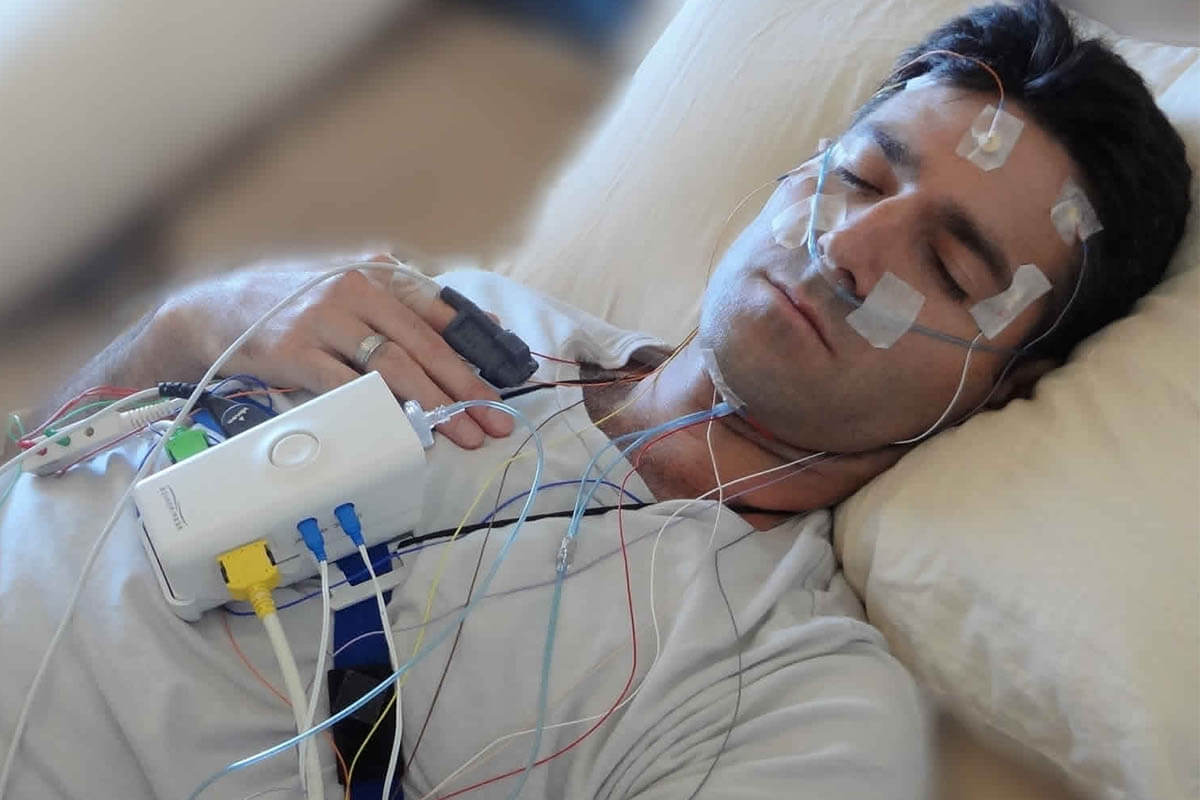
What is a Sleep Study and Why is it Needed? A sleep study is a comprehensive diagnostic test that monitors your sleep patterns, breathing, and various bodily functions throughout the night. During this non-invasive procedure, medical professionals record data about your brain waves, heart rate, oxygen levels, and breathing patterns to identify potential sleep disorders that may be disrupting your rest. Sleep studies serve as the primary diagnostic tool for detecting several common sleep conditions: You might need a sleep study if you experience persistent symptoms that suggest an underlying sleep disorder. The most common indicators include: These symptoms often point to sleep apnoea, which affects millions of Australians and can lead to serious health complications if left untreated. Early diagnosis through a sleep study enables you to access appropriate treatment options and improve your quality of life significantly. What Types of Sleep Studies Are Available in Australia? Australia offers two primary types of sleep studies that cater to different diagnostic needs and patient preferences. Understanding the distinction between in-lab vs home sleep study options helps you make an informed decision about which approach suits your situation best. Level 1 Studies (In-Lab/Hospital-Based) Level 1 studies take place in specialised sleep laboratories within hospitals or dedicated sleep centres. During these comprehensive assessments, you’ll spend the night in a controlled environment whilst technicians monitor multiple physiological parameters including brain waves, eye movements, muscle activity, heart rhythm, and breathing patterns. Benefits of in-lab studies: Limitations include: Level 2 Studies (Home-Based) Home-based sleep studies allow you to undergo testing in your familiar bedroom environment using portable monitoring devices. These studies focus primarily on detecting sleep apnoea through respiratory monitoring, oxygen levels, and basic sleep metrics. Home study advantages: Limitations encompass: How Much Does a Sleep Study Cost in Australia? Understanding the cost of sleep studies in Australia varies significantly depending on the type of test you choose and your location. The price range for sleep tests reflects the different levels of monitoring and clinical oversight involved. In-Lab Sleep Studies In-lab sleep studies typically range from $500 to $1,000 for the complete diagnostic process. These comprehensive overnight assessments conducted in hospital sleep centres or dedicated facilities include: Home-Based Sleep Studies Home-based sleep studies offer a more budget-friendly alternative, with costs ranging from $149 to $400. This price variation depends on several factors: Cost Considerations for Patients Private patients without Medicare coverage face the full cost burden, whilst those with appropriate referrals may access significant rebates. The price difference between study types reflects the varying levels of clinical infrastructure required – in-lab studies demand specialised facilities and overnight staffing, whereas home studies utilise portable monitoring devices that you operate independently. You should consider both the upfront costs and potential long-term savings when choosing between study types, as accurate diagnosis leads to appropriate treatment that can prevent costly health complications down the track. What Factors Influence the Cost of a Sleep Study? Several key factors affecting sleep study cost determine what you’ll pay for your diagnostic testing in Australia. Understanding these variables helps you make informed decisions about your sleep health investment. 1. Test Type The type of test you undergo is the main factor affecting the cost. In-laboratory studies are more expensive because they involve complex monitoring equipment and require a technician to supervise overnight. These detailed assessments can cost anywhere between $500 and $1,000. On the other hand, home-based studies are generally cheaper, ranging from $149 to $400, as they need less infrastructure and staff. 2. Location Pricing varies significantly depending on where you live. Sleep clinics in metropolitan areas usually charge higher rates compared to those in regional areas. Private hospitals and specialised sleep centres may have higher fees than public facilities or community-based services. 3. Insurance Coverage The amount covered by insurance for sleep tests can vary greatly based on your specific policy and provider. Medicare provides rebates for diagnostic tests that meet MBS guidelines when you obtain proper medical referrals. Private health insurers may offer partial coverage under specific packages, particularly for CPAP therapy components. 4. Complexity of Your Condition The severity of your condition affects the type of tests required. Simple screenings for sleep apnoea are less expensive than comprehensive studies that investigate multiple sleep disorders. If additional monitoring parameters, extended recording periods, or specialised equipment are needed, overall costs will increase. 5. Provider Partnerships Pricing structures can also be influenced by partnerships between providers and equipment manufacturers. Companies like Air Liquide Healthcare use their extensive networks through brands such as Healthy Sleep Solutions and Complete Care to offer competitive rates across Australia’s diverse healthcare landscape. How Can Patients Budget for a Sleep Study in Australia? Budgeting for medical tests Australia requires strategic planning, particularly when it comes to sleep studies. You can significantly reduce your financial burden by understanding the Medicare system and preparing properly for your diagnostic journey. 1. Get a GP Referral Securing a proper GP referral represents your first step towards reducing out-of-pocket expenses sleep study. Medicare provides substantial rebates for sleep studies when you obtain an appropriate referral from your general practitioner or specialist. Without this referral, you’ll face the full cost of the study, which can range from $149 to $1,000 depending on the type and location. Your doctor needs to document specific symptoms and medical indications that justify the sleep study. These typically include: 2. Time Your Referral Wisely Timing your referral strategically can also impact costs. Some providers offer bulk-billing arrangements for Medicare-eligible patients, meaning you pay nothing out-of-pocket for qualifying home sleep studies. You should discuss bulk-billing options with your chosen provider before booking your appointment. 3. Check Your Private Health Insurance Coverage Private health insurance coverage varies significantly between funds and policies. Contact your insurer to understand what sleep study costs they cover and whether you need to use specific providers or facilities to maximise your benefits. What Services Are Included Beyond the Sleep Study? Your sleep study is just the first step towards improving your sleep health. Post-diagnosis treatment … Read more

Sleep Study Sydney: What to Expect and How It Works

Sleep Study Sydney

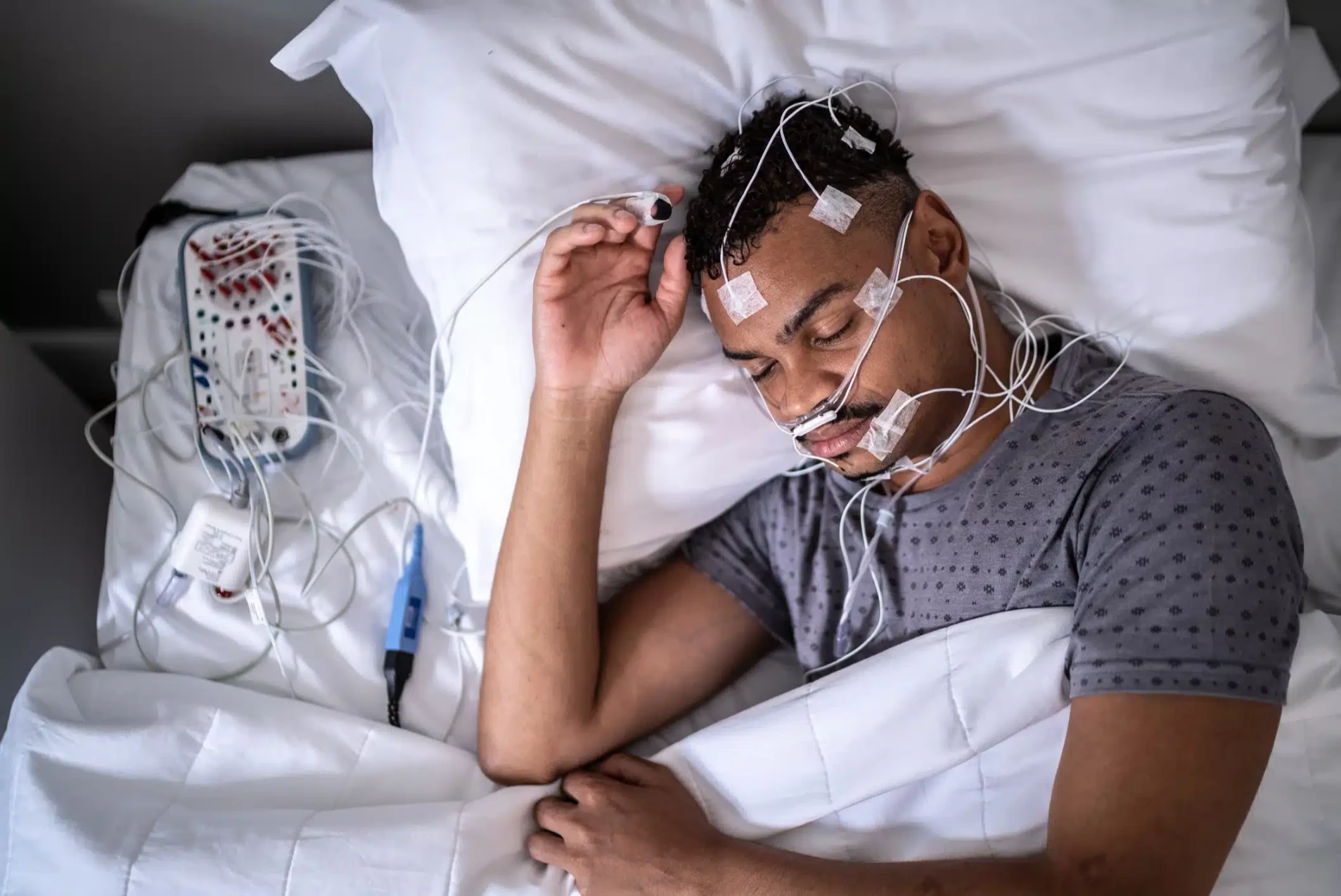
Understanding Sleep Studies A sleep study is a detailed examination that looks at how your body functions while you sleep. It tracks various bodily processes to help doctors understand sleep disorders and create effective treatment plans for patients in Sydney. Types of Sleep Studies There are two main types of sleep studies: How Sleep Studies Work Regardless of the type of study, both polysomnography and home sleep studies rely on similar principles: Why Are Sleep Studies Important? Sleep Study Sydney plays a crucial role in diagnosing and treating sleep disorders because it provides objective evidence about what happens during your sleep, such as: By combining this information with other clinical assessments, doctors can develop personalised treatment plans that address the underlying causes of your sleep issues. If you’re experiencing persistent difficulties with sleeping or suspect you may have a related condition, consult an experienced healthcare professional who can guide you through the process and determine if further evaluation via a Sleep Study Sydney is necessary. Common Sleep Disorders Diagnosed Sleep studies reveal a range of disorders that significantly impact your daily functioning and long-term health outcomes. Obstructive sleep apnea is the most frequently diagnosed condition, affecting millions of Australians who experience repeated breathing interruptions during sleep. This disorder occurs when throat muscles relax excessively, blocking your airway and causing oxygen levels to drop throughout the night. Other Common Sleep Disorders Health Consequences of Untreated Sleep Disorders The health consequences of untreated sleep disorders extend beyond daytime fatigue: Early identification through comprehensive sleep studies enables targeted treatment approaches that can dramatically improve your quality of life and reduce associated health risks. The Patient Pathway in Sydney The journey to sleep disorder diagnosis in Sydney begins with your GP referral for sleep study. Your general practitioner evaluates your sleep-related symptoms and medical history before determining whether specialist intervention is necessary. This initial assessment considers factors such as excessive daytime sleepiness, witnessed breathing interruptions, or chronic insomnia patterns. Following your GP’s referral, you’ll receive a Sleep specialist consultation Sydney appointment. Sleep physicians conduct comprehensive evaluations that include detailed sleep histories, physical examinations, and assessment of underlying medical conditions that may contribute to sleep disturbances. Sydney’s healthcare system employs an integrative approach that streamlines patient care through coordinated pathways. Air Liquide Healthcare exemplifies this model as Australia’s largest facilitator of home sleep apnea studies and therapy. Their end-to-end solution encompasses: This integrative model connects you with validated Sleep Physicians who oversee your entire treatment journey. The coordinated care approach ensures seamless communication between your GP, sleep specialist, and treatment providers. Air Liquide Healthcare’s partnerships with CPAP equipment manufacturers and extensive coverage through sleep brands like SNORE Australia, Healthy Sleep Solutions, and Sleep Disorder Australia (SDCA) create a comprehensive network supporting your sleep health needs throughout Sydney. Preparing for a Sleep Study Proper preparation significantly impacts the accuracy of your sleep study results. You need to follow specific guidelines to ensure the monitoring equipment captures reliable data throughout the night. Pre-Study Dietary Restrictions Your preparation begins 24 hours before the study. Avoid these substances that can interfere with natural sleep patterns: Optimising Sensor Placement Requirements The adhesive sensors used during polysomnography require direct skin contact for accurate readings. You must prepare your body accordingly: Medication Considerations Continue taking prescribed medications unless your sleep physician specifically advises otherwise. Bring a complete list of current medications, including dosages and timing. Some sleep medications may need adjustment, but never stop prescribed treatments without medical consultation. These sleep study preparation tips ensure technicians can properly attach monitoring equipment and obtain the most accurate physiological data possible. Check out more about Sleep Study Cost in Australia: What to Expect and How to Budget. What Happens During the Sleep Study Night? The overnight monitoring procedure begins when you arrive at the sleep clinic or prepare your home-based equipment. Understanding what happens during these crucial hours helps reduce anxiety and ensures you get the most accurate results from your study. In-Clinic Sleep Study Experience Your patient experience during polysomnography starts with a technician explaining the sensor attachment process. The technician will apply approximately 20-25 sensors to specific locations on your body: The attachment process typically takes 30-45 minutes. You’ll then settle into a private bedroom designed to replicate a comfortable home environment. The room features: Home-Based Study Setup For home studies, you’ll receive detailed instructions on self-applying the portable monitoring device. The simplified setup includes fewer sensors but captures essential data including breathing patterns, oxygen levels, and heart rate. You maintain your normal bedtime routine in familiar surroundings. Monitoring Throughout the Night Sleep technicians observe your sleep patterns remotely through sophisticated monitoring systems. They can adjust equipment settings if needed and ensure continuous data collection. The monitoring captures every sleep stage transition, breathing irregularity, and movement pattern. You can communicate with technicians via intercom systems in clinic settings if you experience discomfort or need assistance. The goal remains achieving natural sleep whilst gathering comprehensive physiological data for accurate diagnosis. Home-Based Sleep Studies in Sydney Portable sleep monitors Sydney offer a convenient alternative to traditional clinic-based testing, allowing you to undergo sleep assessment in your own bedroom. These compact devices record the same essential data as clinic studies whilst you sleep in familiar surroundings. Benefits of Home Studies The benefits of home studies extend beyond simple convenience: Suitable Candidates for Home Testing Home-based studies work best for patients with suspected obstructive sleep apnoea who don’t have complex medical conditions. You’re likely suitable if you: Air Liquide Healthcare facilitates Australia’s largest network of home sleep studies, providing validated testing through their integrative approach with Sleep Physicians. Their portable devices capture breathing patterns, oxygen levels, and movement data whilst you sleep naturally at home. Post-Sleep Study Analysis and Results Your sleep data analysis Sydney journey begins once technicians collect your overnight recordings. Sleep specialists examine multiple physiological parameters captured during your study, creating a comprehensive picture of your sleep architecture and breathing patterns. The analysis process focuses on several key areas: Interpreting polysomnography results … Read more

From Exhausted to Energized: How CPAP Therapy Transforms Daytime Living

cpap mask

If you find yourself waking up feeling tired despite spending hours in bed, struggling to stay awake at work, or unable to focus during daily tasks, you might be dealing with a hidden condition: sleep apnea. This disorder can affect your energy levels, mood, and overall health in ways that are often hard to recognize. However, there’s good news – CPAP (Continuous Positive Airway Pressure) therapy can be the solution you’ve been looking for, offering a life-changing impact on both your sleep quality and daytime energy. In this article, we’ll explore how CPAP therapy works and how it can transform your life by turning exhaustion into energy. What is Sleep Apnea? Sleep apnea is a sleep disorder where your breathing repeatedly stops and starts during sleep. This disruption can lead to fragmented and poor-quality sleep, leaving you feeling tired and unrested. There are three main types of sleep apnea: When sleep apnea is untreated, it can have serious consequences on your health. It affects your quality of sleep, reducing the time spent in deep, restorative sleep stages. This results in fatigue, irritability, difficulty concentrating, and a general feeling of exhaustion throughout the day. Over time, it can contribute to higher risks of heart disease, stroke, high blood pressure, diabetes, and even depression. See more: Occupational Therapy for Kids: A Parent’s Guide to Early Support How CPAP Therapy Works CPAP therapy is designed to treat sleep apnea by providing continuous airflow to keep your airways open while you sleep. The CPAP machine delivers pressurized air through a mask that covers your nose or mouth, preventing the airway from collapsing or becoming obstructed. There are different types of CPAP machines tailored to individual needs: The key to CPAP therapy’s effectiveness lies in its ability to maintain continuous airflow, ensuring that your airways remain open during sleep. This leads to fewer disruptions, better sleep quality, and the chance to wake up feeling refreshed. The Impact of CPAP on Daytime Energy The transformation that CPAP therapy brings is truly remarkable. When sleep apnea is managed and breathing is uninterrupted throughout the night, the quality of sleep dramatically improves. As a result, you wake up feeling rested and energized. Here’s how CPAP therapy impacts your daytime energy: CPAP therapy essentially recharges your body and mind, transforming you from a sleep-deprived zombie into a lively, focused individual ready to take on the day. Benefits of CPAP Therapy The benefits of CPAP therapy extend far beyond just improved sleep. By effectively treating sleep apnea, you can experience a variety of positive changes in both your physical and mental well-being: Common Concerns and Solutions While CPAP therapy offers many benefits, some users face challenges when first adjusting to the machine. Here are some common concerns and practical tips for overcoming them: Conclusion CPAP therapy has the power to transform your life by improving sleep quality, boosting daytime energy, and enhancing overall well-being. By treating sleep apnea, you can say goodbye to exhaustion and hello to increased vitality, focus, and productivity. If you suspect you have sleep apnea, don’t let it go untreated. Talk to a healthcare professional and explore CPAP therapy as a solution that could dramatically change your daytime living and health. With CPAP therapy, you can make the shift from feeling constantly tired to becoming energized and ready to take on life’s challenges. Your days of exhaustion are over, and the energetic, vibrant version of yourself is just a CPAP machine away!

Castle Hill Speech and OT: Supporting Kids Through Early Intervention

Speech Therapy

Early intervention is a critical aspect of child development, particularly for those who may face challenges in communication, social skills, and daily living activities. At Castle Hill Speech and Occupational Therapy (OT), dedicated professionals work tirelessly to provide tailored support to children, ensuring they reach their full potential. This article delves into the various facets of early intervention, the specific services offered at Castle Hill, and the importance of a multidisciplinary approach in supporting children and their families. Understanding Early Intervention Early intervention refers to a range of services and supports designed to assist children who exhibit developmental delays or disabilities. At speech therapy sydney, the primary goal is to identify and address these challenges as early as possible, ideally before the child reaches school age. Research has consistently shown that early intervention can significantly improve outcomes for children, enhancing their cognitive, social, and emotional development. In Australia, early intervention services are guided by the National Disability Insurance Scheme (NDIS), which aims to provide support for children with disabilities and their families. The focus is on creating an inclusive environment where children can thrive, regardless of their individual challenges. The Importance of Timely Support Research indicates that the first five years of a child’s life are crucial for brain development. During this period, children are particularly receptive to learning and development. By providing timely support, families can help their children develop essential skills that will serve them throughout their lives. For instance, children who receive speech therapy at an early age are more likely to develop effective communication skills, which are vital for social interaction and academic success. Similarly, occupational therapy can assist children in mastering daily living skills, fostering independence and self-confidence. Services Offered at Castle Hill Speech and OT Castle Hill Speech and OT offers a comprehensive range of services tailored to meet the unique needs of each child. These services include speech therapy, occupational therapy, and parent education programs, all designed to support children in their developmental journey. Speech Therapy Speech therapy focuses on improving a child’s communication skills, including speech, language, and social communication. At Castle Hill, speech therapists employ a variety of evidence-based techniques to assist children in overcoming challenges such as articulation disorders, language delays, and social communication difficulties. Therapists work closely with families to create personalised therapy plans that incorporate play-based activities, ensuring that sessions are engaging and enjoyable for children. This approach not only helps in skill acquisition but also fosters a positive attitude towards learning. Occupational Therapy Occupational therapy at Castle Hill is centred around helping children develop the skills necessary for daily living. This includes fine motor skills, sensory processing, and self-care tasks. Occupational therapists assess each child’s unique needs and create tailored interventions that promote independence and confidence. Through engaging activities, children learn to navigate their environment, improve their coordination, and develop essential life skills. For instance, therapists may use play-based interventions to help children learn how to dress themselves, manage personal hygiene, or engage in social activities. Parent Education and Support Recognising that parents play a crucial role in their child’s development, Castle Hill Speech and OT offers educational programs designed to empower families. These programs provide parents with the knowledge and tools necessary to support their child’s growth at home. Workshops may cover topics such as effective communication strategies, behaviour management techniques, and ways to create a supportive learning environment. By equipping parents with these skills, Castle Hill fosters a collaborative approach to early intervention, ensuring that children receive consistent support both in therapy and at home. The Multidisciplinary Approach One of the standout features of the services provided at Castle Hill is the multidisciplinary approach to early intervention. This involves collaboration among various professionals, including speech therapists, occupational therapists, psychologists, and educators, to provide comprehensive support for children. Benefits of a Collaborative Team A multidisciplinary team can offer a holistic view of a child’s needs, ensuring that all aspects of their development are addressed. For example, a speech therapist may identify a child’s communication difficulties, while an occupational therapist focuses on their fine motor skills. By working together, these professionals can create a cohesive intervention plan that targets multiple areas of development. This collaborative approach also benefits families, as they receive consistent messaging and strategies from a team of experts. It fosters a sense of community and support, allowing parents to feel more confident in their ability to help their child succeed. Case Studies and Success Stories Castle Hill Speech and OT has a wealth of success stories that highlight the effectiveness of early intervention. For instance, a child who struggled with speech delays was able to improve their communication skills significantly after just a few months of targeted therapy. With the support of their family and therapists, this child not only began to express themselves more clearly but also gained confidence in social situations. Another example involves a child with sensory processing difficulties who, through occupational therapy, learned to manage their sensory sensitivities. This intervention allowed them to engage more fully in everyday activities, from participating in school to enjoying family outings. How to Access Early Intervention Services Accessing early intervention services at Castle Hill is a straightforward process designed to ensure that families receive the support they need. The first step typically involves an initial assessment, where professionals evaluate the child’s developmental needs and discuss any concerns with the family. Initial Assessment Process The initial assessment is a comprehensive evaluation that may include standardised tests, observations, and discussions with parents about their child’s development. This assessment helps therapists understand the child’s strengths and areas for improvement, forming the foundation for a personalised intervention plan. Following the assessment, families receive a detailed report outlining the findings and recommendations for therapy. This report serves as a roadmap for the child’s intervention journey, ensuring that all parties are aligned in their goals and expectations. Funding and Support Options For families concerned about the financial aspects of early intervention, various funding options are available. The NDIS provides … Read more

How Occupational Therapy for Kids in Castle Hill Builds Confidence and Skills

Occupational Therapy

Occupational therapy (OT) is a vital service for children facing various challenges that affect their daily lives, learning, and social interactions. In Castle Hill, occupational therapy for kids is designed to enhance their skills and build confidence through tailored interventions. This article delves into the various aspects of occupational therapy, its benefits, and how it fosters growth in children. Understanding Occupational Therapy for Children Occupational therapy is a client-centred health profession that focuses on enabling individuals to participate in meaningful activities. For children, this often means helping them develop the skills necessary for daily living, learning, and socialising. In addition to speech therapy sydney, OT for kids services assess each child’s unique needs and create personalised intervention plans that target specific goals. In Castle Hill, occupational therapy for kids encompasses a range of services, including sensory integration therapy, fine and gross motor skills development, and social skills training. The aim is to provide children with the tools they need to navigate their environments confidently and independently. The Role of Occupational Therapists Occupational therapists are trained professionals who specialise in understanding the physical, emotional, and cognitive aspects of a child’s development. They work collaboratively with families, educators, and other healthcare providers to create a holistic approach to therapy. In Castle Hill, occupational therapists conduct comprehensive assessments to identify areas where a child may struggle. This may include evaluating their motor skills, sensory processing abilities, and social interactions. Based on these assessments, therapists develop targeted interventions that can include play-based activities, therapeutic exercises, and adaptive strategies. Key Areas of Focus in Occupational Therapy Building Confidence Through Occupational Therapy One of the most significant benefits of occupational therapy is its ability to build confidence in children. As they develop new skills and overcome challenges, they gain a sense of accomplishment that boosts their self-esteem. In Castle Hill, occupational therapists employ various strategies to foster confidence. These may include setting achievable goals, providing positive reinforcement, and creating a supportive environment where children feel safe to explore and learn. Setting Achievable Goals Occupational therapists work closely with children and their families to set realistic and achievable goals. These goals are tailored to the child’s individual needs and abilities, ensuring that they are both challenging and attainable. By breaking down larger objectives into smaller, manageable tasks, children can experience success along the way, which reinforces their confidence. For example, a child who struggles with writing may start by practising letter formation using textured materials, gradually progressing to writing on paper. Each small success builds their confidence and encourages them to tackle more complex tasks. Positive Reinforcement Positive reinforcement is a powerful tool used by occupational therapists to encourage children. By celebrating achievements, no matter how small, therapists help children recognise their progress and capabilities. This approach not only boosts confidence but also motivates children to continue working towards their goals. In Castle Hill, therapists may use a reward system, where children earn tokens or stickers for completing tasks. This tangible recognition of their efforts can significantly enhance their motivation and self-esteem. Creating a Supportive Environment Creating a safe and supportive environment is crucial for building confidence in children undergoing occupational therapy. In Castle Hill, therapists strive to establish a space where children feel comfortable expressing themselves and taking risks. Therapists often incorporate play into their sessions, allowing children to engage in activities they enjoy while simultaneously working on their therapeutic goals. This playful approach not only makes therapy enjoyable but also helps children develop a sense of belonging and acceptance. Developing Essential Skills for Daily Life Occupational therapy equips children with essential life skills that are vital for their independence and overall well-being. These skills encompass a wide range of activities, from self-care tasks to academic skills and social interactions. In Castle Hill, occupational therapists focus on helping children develop the following essential skills: Self-Care Skills Self-care skills are fundamental for children’s independence. Occupational therapists work with children to develop abilities such as dressing, grooming, and personal hygiene. By mastering these skills, children gain confidence in their ability to care for themselves. For instance, a therapist may use visual schedules or step-by-step instructions to teach a child how to brush their teeth or tie their shoelaces. These strategies not only facilitate learning but also empower children to take ownership of their self-care routines. Academic Skills Academic skills are crucial for success in school and beyond. Occupational therapists in Castle Hill help children develop skills such as handwriting, organisation, and time management. By addressing any challenges in these areas, therapists enable children to thrive in their educational environments. For example, a child struggling with handwriting may benefit from exercises that strengthen their hand muscles and improve their grip. Additionally, therapists may provide tools and strategies to help children organise their schoolwork and manage their time effectively. Social Skills Social skills are essential for building relationships and navigating social situations. Occupational therapists work with children to enhance their communication skills, understand social cues, and develop empathy. These skills are vital for forming friendships and participating in group activities. In Castle Hill, therapists may use role-playing scenarios to help children practise social interactions in a safe environment. By providing feedback and guidance, therapists empower children to feel more confident in their social abilities. Collaboration with Families and Schools Collaboration is a cornerstone of effective occupational therapy. In Castle Hill, occupational therapists work closely with families and schools to ensure a comprehensive approach to a child’s development. This collaboration enhances the effectiveness of therapy and promotes consistency across different environments. Involving Families in the Process Families play a crucial role in a child’s occupational therapy journey. Therapists engage parents and caregivers by providing them with strategies and resources to support their child’s development at home. This involvement not only reinforces the skills learned in therapy but also strengthens the parent-child bond. For instance, therapists may offer guidance on creating sensory-friendly spaces at home or suggest activities that promote fine motor skills. By equipping families with knowledge and tools, therapists … Read more