
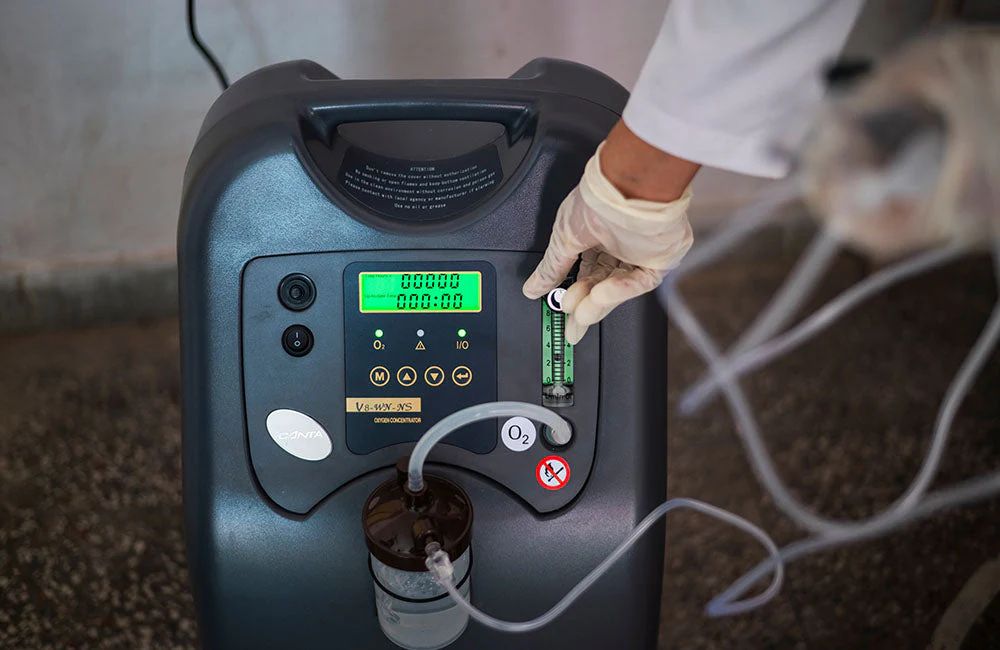
Travelling with oxygen can be straightforward when they pack with a clear checklist and allow extra time for approvals and backups. This guide covers what to pack when travelling with portable oxygen equipment in Australia, from flights and road trips to regional stays.
What paperwork should they pack first?
They should pack a printed and digital copy of their oxygen prescription, a recent medical summary, and the supplier’s letter confirming the device model and settings. For domestic flights, they should also carry the airline’s medical clearance approval and any required fitness-to-fly form.
When planning what to pack when travelling with portable oxygen equipment, paperwork prevents delays at check-in, during security screening, and when organising support at the destination.
Which portable oxygen concentrator items are non-negotiable?
They should pack the portable oxygen concentrator (POC) itself, the standard battery, and all core power accessories. The essentials are the AC charger, DC car charger, and the correct power adaptor if they will move between states or use different power boards.
For what to pack when travelling with portable oxygen equipment, the goal is simple: they must be able to run the POC from battery, wall power, and car power without improvising.
How many batteries should they pack for Australian travel?
They should pack enough fully charged batteries to cover the longest expected stretch without reliable charging, plus a buffer. For flights, many travellers plan battery time to exceed the total journey duration, including check-in, delays, and transfers.
If they are mapping what to pack when travelling with portable oxygen equipment, they should label batteries, track run-time per battery, and keep batteries in carry-on rather than checked luggage.
What charging and power gear helps most on the road?
They should pack a compact power board, a quality car charger approved for their POC, and a backup charging cable if their model uses one. For regional driving, a small inverter can help, but only if the oxygen supplier confirms it is compatible with the device.
When deciding what to pack when travelling with portable oxygen equipment for road trips across NSW, VIC, QLD, SA, WA, TAS, or the NT, reliable charging is often the difference between a relaxed drive and constant battery anxiety.
What cannulas, tubing, and connectors should they bring?
They should pack more cannulas than they think they will need, plus spare tubing in the right length for hotel rooms and vehicles. They should also pack connectors, filters (if user-replaceable), and any model-specific parts their supplier recommends.
For what to pack when travelling with portable oxygen equipment, spares matter because regional pharmacies may not stock the correct oxygen-specific consumables, especially for particular fittings.
Should they pack a pulse oximeter and basic health kit?
They should pack a pulse oximeter, especially if their oxygen needs change with exertion or illness. A simple kit with thermometer, regular medications, written medication list, and a few days of extra scripts helps if travel plans shift.
When planning what to pack when travelling with portable oxygen equipment, monitoring tools reduce guesswork and give clinicians clearer information if they need help while away.
What should they pack to protect the device during transit?
They should pack a well-fitted carry bag, protective caps where relevant, and a lightweight rain cover for sudden weather. In many Australian regions, dust can be a bigger issue than rain, so they should also pack a clean cloth and follow the supplier’s advice on filter care.
For what to pack when travelling with portable oxygen equipment, protection is about keeping airflow clear and preventing knocks that can trigger alarms or faults.
How should they pack oxygen equipment for flights within Australia?
They should pack the POC, batteries, chargers, cannulas, and paperwork in carry-on. They should avoid checking any critical oxygen item, and they should keep the device accessible for security screening and onboard setup.
When thinking through what to pack when travelling with portable oxygen equipment for flights between cities like Sydney, Melbourne, Brisbane, Adelaide, Perth, Canberra, Hobart, and Darwin, they should also pack a small folder with approvals and a quick-reference page listing device make, model, and battery count.
What seating and comfort extras are worth packing?
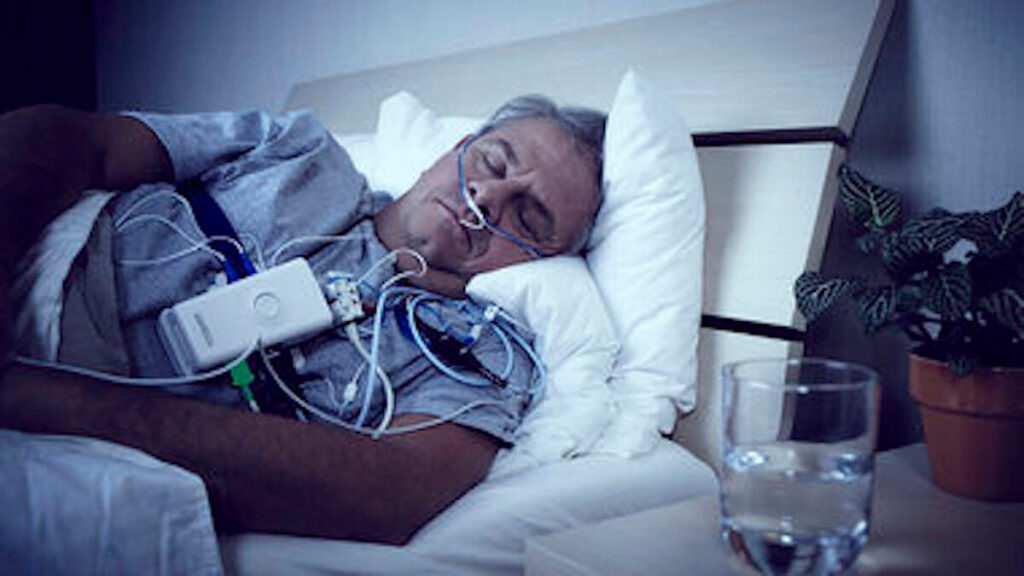
They should pack a small neck pillow, water bottle, lip balm, and nasal moisturiser suitable for cannula use, since oxygen flow and cabin air can dry the nose and lips. If they use hearing aids or glasses, they should pack a secure case so the tubing does not tangle with other essentials.
For what to pack when travelling with portable oxygen equipment, comfort items are not just luxuries; they can reduce irritation that leads to poor adherence during long days of travel.
What cleaning and hygiene supplies should they take?
They should pack alcohol-free wipes for the device exterior, hand sanitiser, and a few spare tissues or gauze for skin comfort. They should follow their supplier’s instructions, especially around filters and moisture, and avoid using products that could damage plastics.
When building what to pack when travelling with portable oxygen equipment, hygiene supplies help them manage long days in airports, service stations, and accommodation without compromising device care. Check out more about home oxygen packages and suppliers.
What should they pack for accommodation and destination logistics?
They should pack the contact details of their oxygen supplier, plus the address of their accommodation and any local support arranged. If they are staying somewhere remote, they should pack a printed plan for where they can charge devices and what to do if mains power fails.
For what to pack when travelling with portable oxygen equipment, it helps to confirm the room has accessible power points near the bed and enough space for safe airflow around the device.
How can they prepare for power outages or remote areas?
They should pack extra batteries and a clear charging schedule if they are heading to remote parts of Australia where outages or long drives are more likely. If they rely on oxygen overnight, they should discuss contingency options with their clinician or supplier before they leave.
When finalising what to pack when travelling with portable oxygen equipment for regional or outback travel, the best backup is the one they can actually use quickly under stress.
What should they pack if they use oxygen cylinders as backup?
They should pack the correct regulator, spanner or key if required, and enough tubing to use the cylinder safely. They should also pack secure stabilisation gear for transport, since cylinders must not roll in a vehicle.
For what to pack when travelling with portable oxygen equipment, cylinders require extra planning because refills and compatible fittings can be harder to organise at short notice.
What bags and packing layout make airport days easier?
They should pack oxygen gear in one dedicated carry-on bag, with a simple layout: paperwork on top, device in the centre, and batteries in a separate pouch. They should also pack a second small pouch for consumables like cannulas and connectors so replacements are fast.
When organising what to pack when travelling with portable oxygen equipment, a tidy bag reduces time at security and helps them respond quickly if an alarm sounds.
Which labels and ID tags should they add?
They should pack a luggage tag for the oxygen bag, plus a medical ID card or bracelet if advised by their clinician. They may also label chargers and batteries with their name and phone number, which helps if something is left at a gate or hotel.
For what to pack when travelling with portable oxygen equipment, simple labels prevent avoidable losses that can derail a trip.
What should they do the day before departure?
They should pack the night before, fully charge every battery, and run a short device test with their usual settings. They should also confirm airline approvals, transport timing, and accommodation power access, then place all paperwork where it is easy to grab.
When checking what to pack when travelling with portable oxygen equipment, the last step is a quick “nothing critical is in checked luggage” review.
What is a practical packing checklist they can copy?
They can use this quick list to cover most Australian trips:
- Portable oxygen concentrator (POC) and carry bag
- Prescription, medical summary, supplier letter, airline clearance (if flying)
- Batteries (fully charged) plus extras for delays
- AC charger, DC car charger, power board
- Cannulas, tubing, connectors, filters (if applicable)
- Pulse oximeter, thermometer, regular medications, spare scripts
- Rain/dust protection, clean cloth
- Alcohol-free wipes, hand sanitiser
- Comfort items: water bottle, lip balm, nasal moisturiser
- Supplier contacts, accommodation details, charging plan
This checklist supports what to pack when travelling with portable oxygen equipment without turning packing into a multi-day project.
How can they avoid the most common packing mistakes?
They should avoid packing too few batteries, forgetting chargers, or placing essential items in checked baggage. They should also avoid assuming every destination will have the right consumables or immediate technical support.
When they treat what to pack when travelling with portable oxygen equipment as a system, not a single item, they reduce the chances of last-minute stress and can focus on the trip itself.
Related : Why Choose an Oxygen Concentrator Portable Enough for Daily Errands?