
Sleep Study Sydney What to Expect and How It Works, Revisited
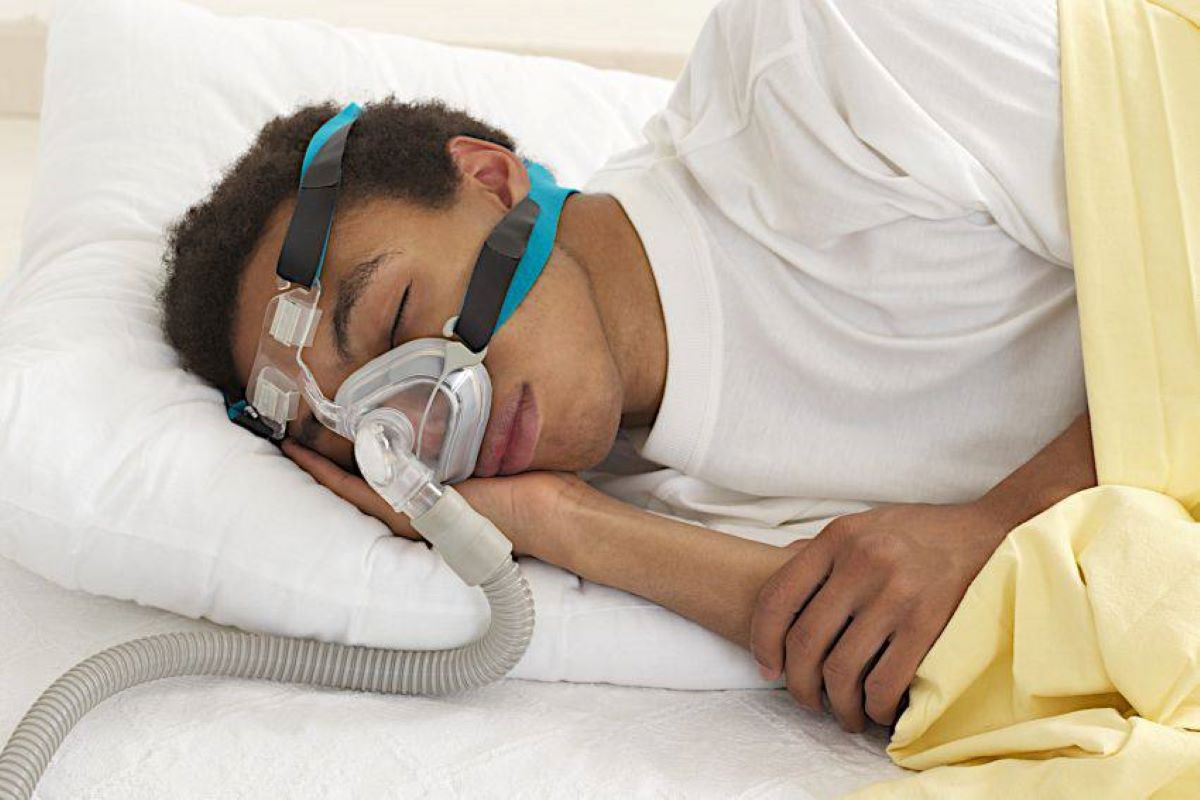
Booking a sleep test can feel oddly intimidating, especially if someone has never slept with sensors before. This guide revisits Sleep Study Sydney in plain terms, explaining what happens, why it is recommended, and how results typically translate into treatment across Australia. They will usually be referred because of loud snoring, choking or gasping during sleep, persistent daytime fatigue, morning headaches, or concerns raised by a partner. A GP in NSW might also suggest testing if there is high blood pressure, type 2 diabetes, atrial fibrillation, or safety issues such as drowsy driving. What is a Sleep Study Sydney and who is it for? A Sleep Study Sydney is a clinical test that records breathing, oxygen levels, sleep stages, heart rate, and body movements overnight to assess sleep disorders. It is most often used to confirm or rule out obstructive sleep apnoea, but it can also investigate insomnia, restless legs, and unusual night-time behaviours. It suits people whose symptoms affect health, mood, work performance, or driving safety. It also suits people who have tried lifestyle changes but still feel unrefreshed after sleep. How does a Sleep Study Sydney actually work? A Sleep Study Sydney works by collecting signals from sensors while they sleep, then having trained clinicians score and interpret the data. The sensors do not treat anything; they measure patterns that are difficult to identify without monitoring. Most studies track airflow, breathing effort, oxygen saturation, snoring, body position, limb movement, and sometimes brain activity. The combination helps determine whether breathing stops, sleep fragments, or oxygen drops are occurring. What types of sleep studies are available in Sydney? Most services offer an at-home study or an in-lab study, and the choice depends on symptoms and medical history. A Sleep Study Sydney may begin at home for straightforward suspected sleep apnoea, then move to a lab if results are unclear. Home studies are usually simpler and focus on breathing and oxygen levels. In-lab polysomnography is more comprehensive, typically including EEG leads to measure sleep stages and arousals, plus video monitoring when needed. What happens before the sleep study appointment? Before a Sleep Study Sydney, participants are commonly asked to complete questionnaires about sleep habits, medications, and daytime sleepiness. A clinician may also confirm details like usual bedtime, caffeine intake, alcohol use, and whether they work shifts. They will usually be advised to keep their normal routine in the days before the test. If they use nasal sprays, sleep aids, or have complex medical conditions, they should confirm instructions with the clinic rather than guessing. What should they bring or prepare for an in-lab study? For an in-lab Sleep Study Sydney, they should pack comfortable sleepwear, toiletries, and something to read. They can usually bring their own pillow if that helps them sleep more naturally. Most labs in Sydney aim for a quiet, hotel-like setup, but it is still a clinical environment. They should plan for a set arrival time and an early morning finish, which can affect parking, trains, or rideshare planning. What should they expect during a home sleep study? A home Sleep Study Sydney is typically picked up from a clinic or delivered, then returned the next business day. They will be shown how to place the sensors, or they may receive a video guide. The setup usually includes a finger probe for oxygen, a chest band for breathing effort, a nasal cannula for airflow, and a small recorder. It is normal if sleep feels lighter than usual, as the first night with equipment often does. Do the sensors hurt, and will they still be able to sleep? The sensors used in a Sleep Study Sydney should not be painful, though some people find the nasal cannula annoying at first. Adhesive electrodes can feel unusual, especially for people with sensitive skin, but discomfort is usually mild. They do not need “perfect” sleep for the test to work. Clinicians can often score enough data even if sleep is broken, because disruptions are part of what the study is measuring. See Also : Sleep Study Cost in Australia: What to Expect and How to Budget What exactly gets measured overnight? A Sleep Study Sydney commonly measures breathing interruptions (apnoeas and hypopnoeas), oxygen desaturations, heart rate variability, snoring, and sleep fragmentation. In lab studies, it also measures brain waves to confirm sleep stages and arousals. These measurements are combined into indices such as the apnoea-hypopnoea index (AHI) and oxygen desaturation index (ODI). The pattern matters as much as the numbers, especially if symptoms do not match severity. What are clinicians looking for in the results? In a Sleep Study Sydney, clinicians look for whether airway obstruction is occurring, how often, and how strongly it impacts oxygen and sleep quality. They also look for positional effects, such as events worsening when they sleep on their back. If the study includes limb leads, it may show periodic limb movements. If symptoms suggest parasomnias or seizures, an in-lab study may capture behaviours on video that support further neurological review. How long does it take to get results in Sydney? Turnaround varies, but many clinics provide results within one to two weeks after a Sleep Study Sydney, depending on staffing and scoring workload. Some services offer faster reporting for commercial drivers or urgent clinical cases. They should ask whether results are sent to their GP, a sleep physician, or both. It helps if they book a follow-up appointment in advance so treatment decisions are not delayed. What happens after the sleep study if they are diagnosed with sleep apnoea? After a Sleep Study Sydney confirms obstructive sleep apnoea, next steps usually focus on symptom relief and risk reduction. The most common treatment is CPAP, but it is not the only option. If apnoea is mild or position-dependent, a clinician may discuss weight management, alcohol reduction, side-sleeping strategies, and nasal obstruction management. For suitable cases, a mandibular advancement splint from a trained dental provider may be considered. How does CPAP treatment typically start in Sydney? If … Read more