
Is the Aerobika Worth It? 2026 Cost-Benefit Review Australia
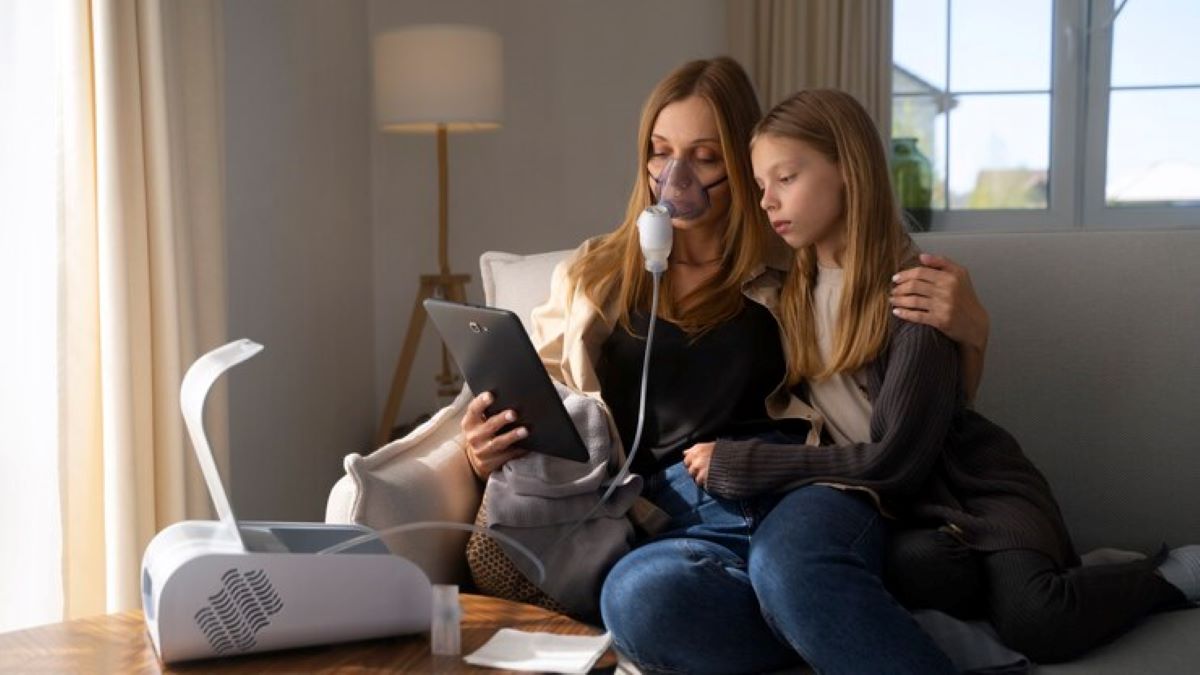
Is the Aerobika Worth It? A 2026 Cost-Benefit Review for Chronic Respiratory Care Managing chronic respiratory conditions like COPD, bronchiectasis, or cystic fibrosis in Australia has become increasingly expensive. As we move through 2026, patients are scrutinising every medical expense to ensure it provides tangible clinical value. One device that consistently tops the “must-buy” list recommended by physiotherapists is the Aerobika Oscillating Positive Expiratory Pressure (OPEP) device. But at a retail price often exceeding $175 AUD, many patients wonder: Is the Aerobika worth it? This review breaks down the financial and clinical Return on Investment (ROI) of the Aerobika device. We compare the one-time cost of the unit against the staggering expenses of Australian hospital readmissions, emergency department (ED) visits, and escalating medication costs. See more: How Often Should You Replace a CPAP Mask and Why It Matters? What is the Aerobika OPEP Device? The Aerobika is a handheld, drug-free medical device designed to assist with airway clearance. It utilizes Oscillating Positive Expiratory Pressure (OPEP) technology. When you exhale into the device, it creates a series of pressure pulses and vibrations within the lungs. How the Technology Works The Economics of Respiratory Care in Australia (2026) To determine if the Aerobika is “worth it,” we must look at the alternative: the cost of a “flare-up” or exacerbation. In Australia, the economic burden of Chronic Obstructive Pulmonary Disease (COPD) is estimated at over $24.98 billion annually. For an individual patient, a single moderate-to-severe exacerbation can lead to: Comparison Table: Aerobika vs. Exacerbation Costs Expense Type Aerobika OPEP (One-Time) Hospitalisation (Single Event) Direct Cost $149 – $179 AUD $3,800+ (Government/System Cost) Out-of-Pocket $179 (Once-off) $250+ (Gap fees, Transport, Meds) Time Loss 10 mins / 2x daily 3–7 days hospital stay Longevity 6–12 months 0 (Cost recurs every flare-up) Clinical Benefits: Beyond the Price Tag The “value” of the Aerobika isn’t just in the money saved—it’s in the quality of life gained. Clinical studies updated for 2026 indicate that consistent OPEP therapy provides several key outcomes: 1. Reduced Hospital Readmissions Data shows that COPD patients using an Aerobika device post-discharge can see up to a 25% reduction in 30-day hospital readmissions. By keeping the lungs clear of mucus, the “breeding ground” for bacteria is removed, preventing secondary infections. 2. Improved Lung Function and Exercise Tolerance By clearing the “dead space” in the lungs occupied by trapped air and mucus, patients report improved breathlessness (dyspnea) scores. This allows for better participation in pulmonary rehabilitation and daily activities. 3. Synergistic Effect with Nebulisers The Aerobika is compatible with small-volume nebulisers. This allows patients to perform airway clearance and medication delivery simultaneously, saving time and increasing the penetration of the medication into the lower airways. Is it Covered by Medicare or Private Health? In Australia, the Aerobika is classified as a Class I medical device. Best Practices for Maximising Your Investment To ensure the Aerobika is “worth it” over the long term, you must maintain the device properly. Common Mistakes to Avoid FAQ: Is the Aerobika Worth It? 1. Can I use the Aerobika for asthma? While primarily designed for mucus-producing conditions like COPD and bronchiectasis, some asthma patients with “mucus plugging” find it helpful. Consult your specialist first. 2. How long does an Aerobika device last? With proper cleaning, the device is effective for approximately 6 to 12 months of daily use. 3. Is the Aerobika better than the AirPhysio? Both are OPEP devices. The Aerobika is often preferred in clinical settings because it is not position-dependent (it works while lying down) and can be used with a nebuliser. 4. Why is the Aerobika so expensive for a piece of plastic? The cost reflects the medical-grade engineering required to produce specific oscillating frequencies and the clinical trials required to prove it reduces hospitalisations. 5. Can I get the Aerobika on the PBS? No, the Pharmaceutical Benefits Scheme (PBS) covers medications. The Aerobika is a device and is typically an out-of-pocket expense or covered via private health Extras. Conclusion: The Verdict for 2026 When evaluating if the Aerobika is worth it, the numbers speak for themselves. An upfront cost of $179 AUD is a fraction of the cost of a single respiratory crisis. If the device prevents even one GP visit or one course of emergency antibiotics, it has nearly paid for itself. If it prevents a hospitalisation, the ROI is over 2,000%. For Australians living with chronic mucus hypersecretion, the Aerobika remains one of the most cost-effective, evidence-based tools available in 2026. Internal Linking Suggestions: Authoritative External References: